Kansai Airport to Kyoto on the JR HARUKA: Tickets, Platforms and Seats
- Kansai International Airport
- HARUKA
- Kyoto transport
- JR West
- Japan travel
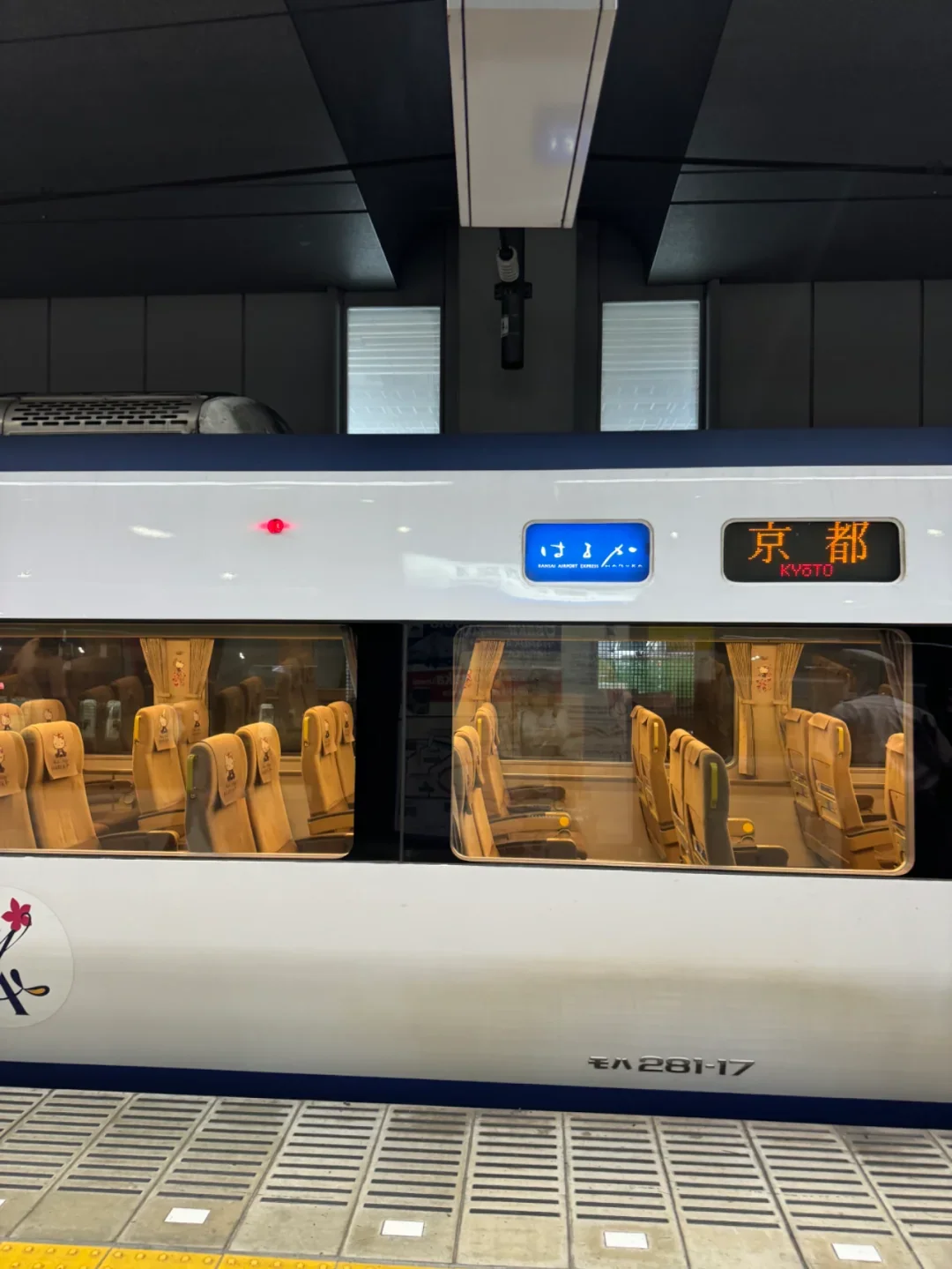
The calmest way from Kansai International Airport (KIX) into Kyoto is JR West's HARUKA limited express. It leaves the airport station directly, calls only at Hineno, Tennoji and Shin-Osaka, and reaches Kyoto Station in about 75–80 minutes with no changes and seats far roomier than a commuter train.
This guide covers that one train: where to buy the ticket, which ticket is worth it, how to find the gate and platform, which car to sit in, where the luggage goes, and how to leave Kyoto Station for the metro and buses. For Namba, Umeda and Nara, see the Kansai airport arrival guide. Fares and timetables move with the season, so check JR West's own site before you travel.
1. Up to level 2 and the JR ticket office
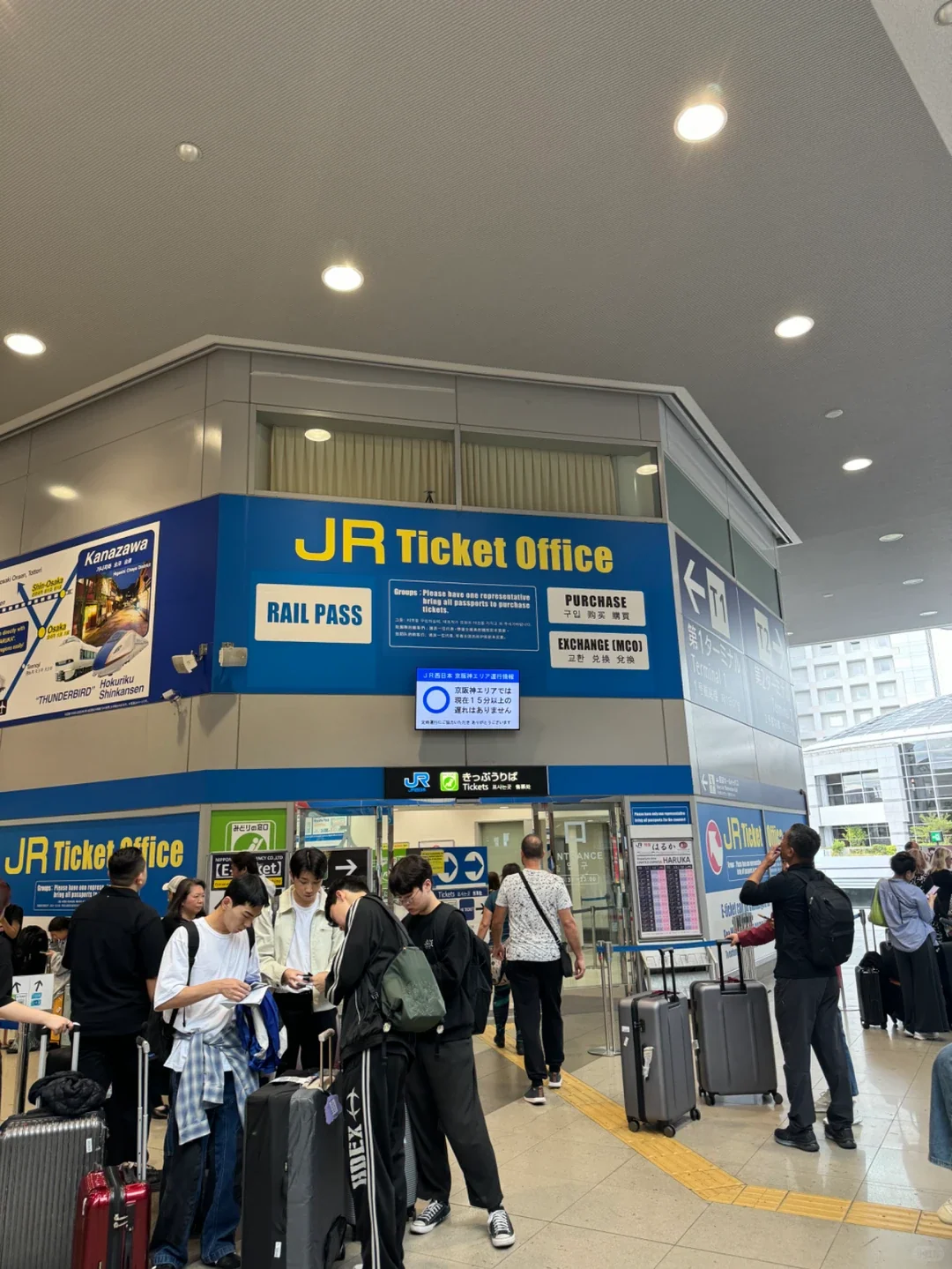
After arrivals, follow the signs for 鉄道 / Railways, take the escalator up to level 2 of Terminal 1 and cross the walkway to the station. Kansai Airport Station splits between Nankai and JR; the JR side is a blue-and-white office with "JR Ticket Office" over the door.
Three things happen inside: buying a ticket at the counter, exchanging a rail pass, and collecting an e-ticket bought online from the green machines, whose screens switch to English. The machines under the blue sign sell same-day tickets. On a first visit with luggage, the staffed counter is simplest.
2. What it costs: the standard fare and the visitor ticket
The standard fare is a base ticket plus a limited-express charge, about 3,490 yen from the airport to Kyoto, with children at roughly half price. Any traveller can buy it.
| Ticket | Reference fare (KIX to Kyoto) | Conditions |
|---|---|---|
| Standard (base ticket + limited express) | about 3,490 yen | Any traveller; counter or machine |
| HARUKA One-Way Ticket | about 2,200 yen | Foreign passport, temporary visitor, fixed route |
| Child | about half the adult fare | Ages 6–11, ID may be checked |
Foreign visitors get the HARUKA One-Way Ticket on the same route for about 2,200 yen, roughly a third less. The conditions are a foreign passport and temporary-visitor status, and the route is fixed: the airport to the Kyoto city zone. Buy it before you fly, through JR West, a travel agent or a partner platform, then exchange it for a paper ticket at the machine or counter. Quotas and sales periods are limited, so buy early once your dates are set.
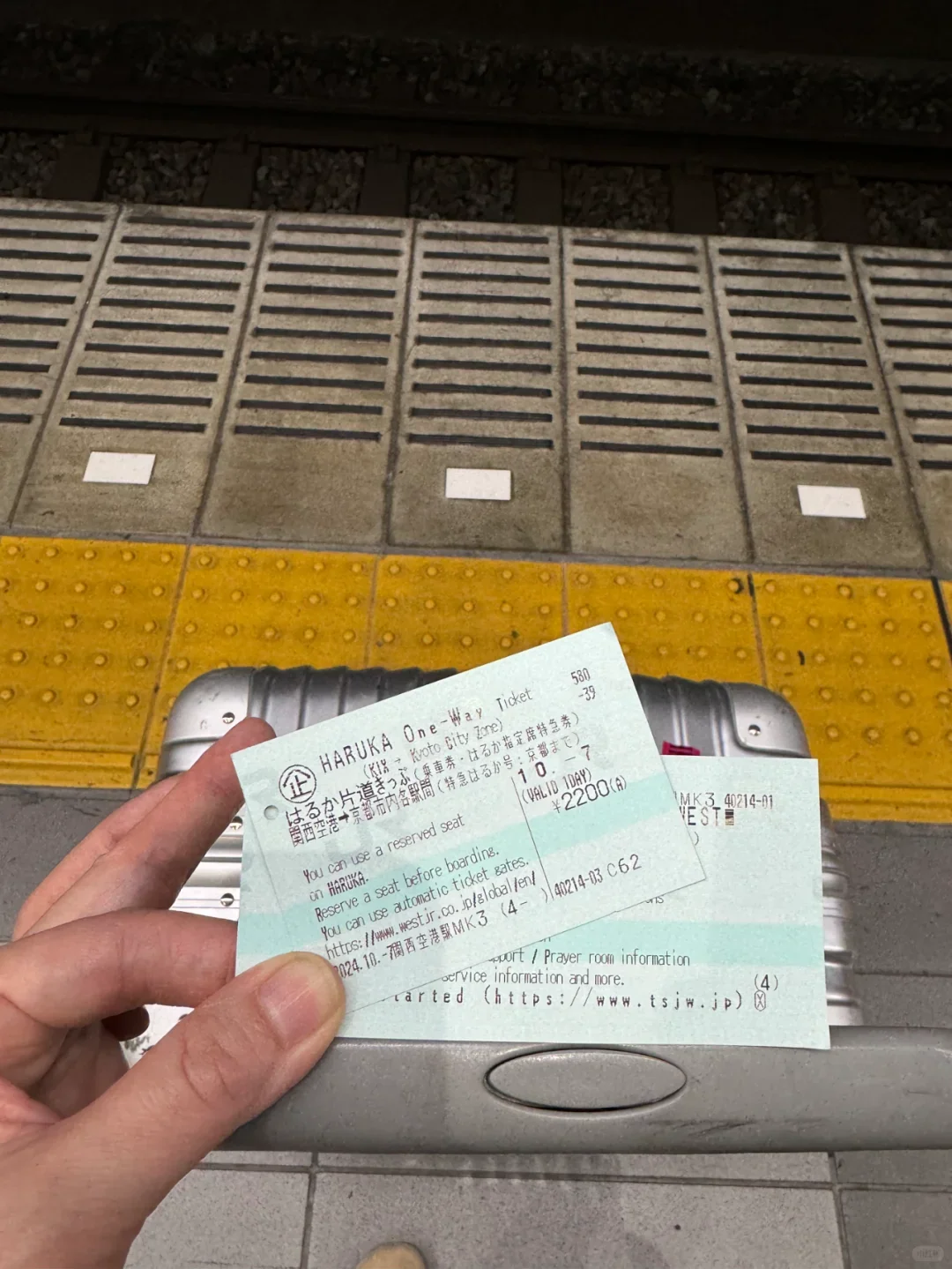
One point to be clear about: an IC card such as ICOCA or Suica covers only the base fare. The limited-express charge is separate, so tapping in with a card will not get you onto the HARUKA. A non-reserved limited-express ticket also does not entitle you to a reserved seat; the reservation costs a few hundred yen more, which is worth paying in peak season.
3. The gate and the platform: look for Kyoto
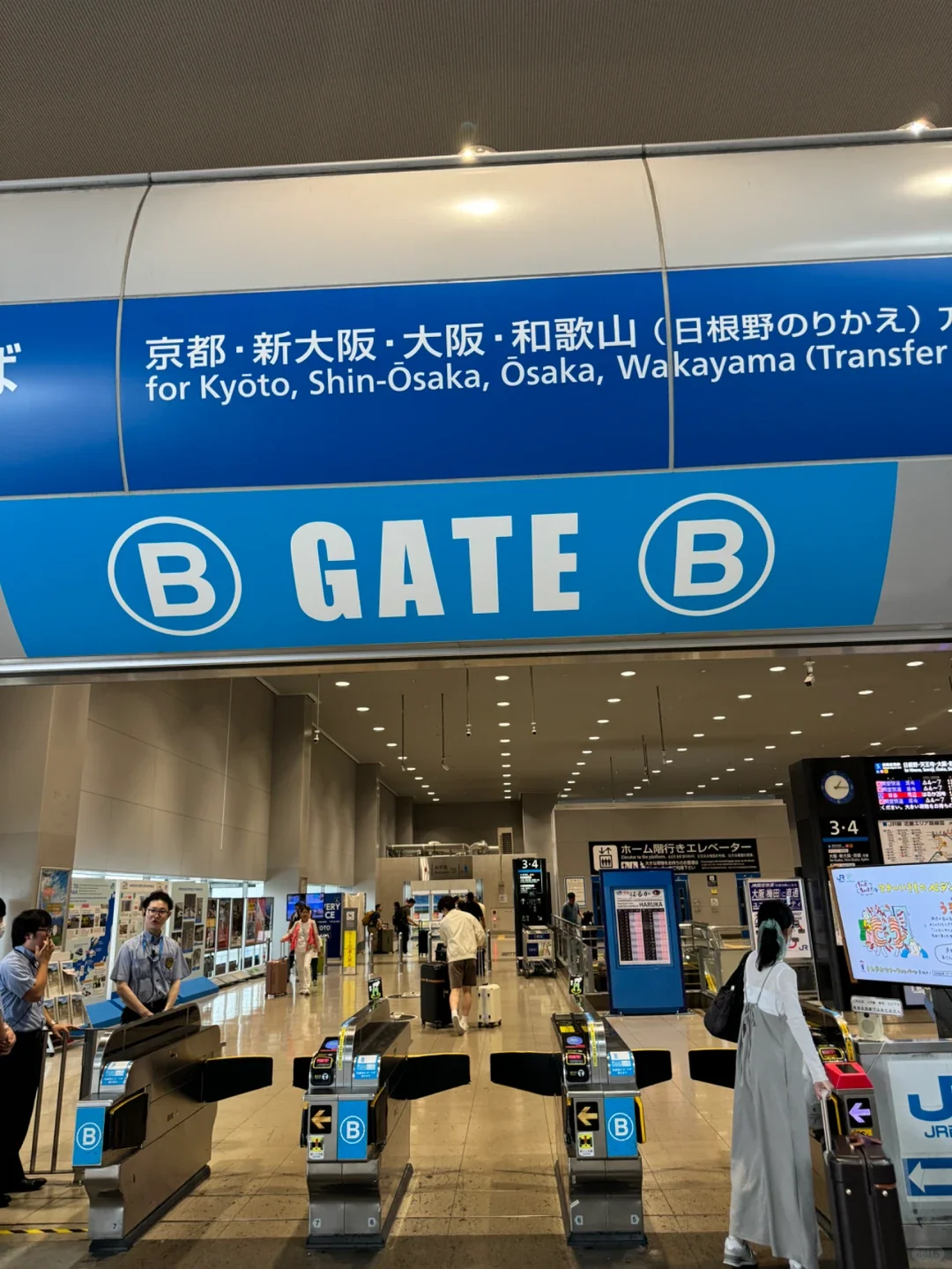
Take your ticket to the gates opposite. Push the magnetic ticket in, take it back when it pops out at the far side, and keep it — you need it again to leave Kyoto Station. The blue sign above reads Kyoto, Shin-Osaka, Osaka and Wakayama (change at Hineno), which is hard to mistake.
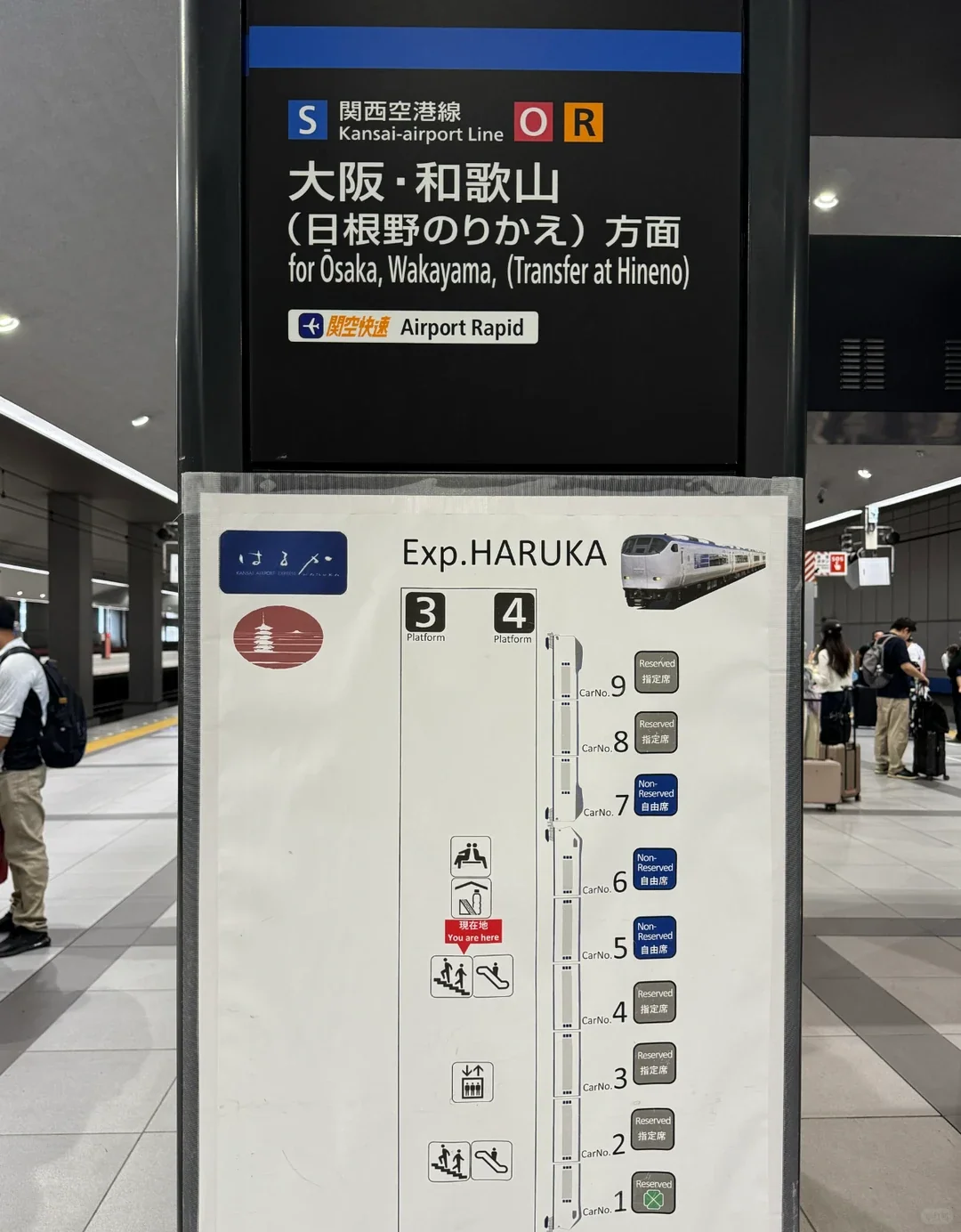
Down on the platform, the HARUKA usually leaves from platforms 3 and 4, marked by an "Exp. HARUKA" sign and a carriage diagram. The Kansai Airport Rapid to Osaka uses the same platforms, so do not board the first train you see: the HARUKA has Kyoto on its destination display and its own lettering on the body.
Departures run roughly every 30 minutes, first around 06:30 and last around 22:00, and the run takes 75–80 minutes. Timetables shift with the season, so confirm on JR West's site or the platform display. If you are aiming at the last train, add the 45–60 minutes that immigration and baggage take.
4. On board: reserved seats, non-reserved cars and luggage
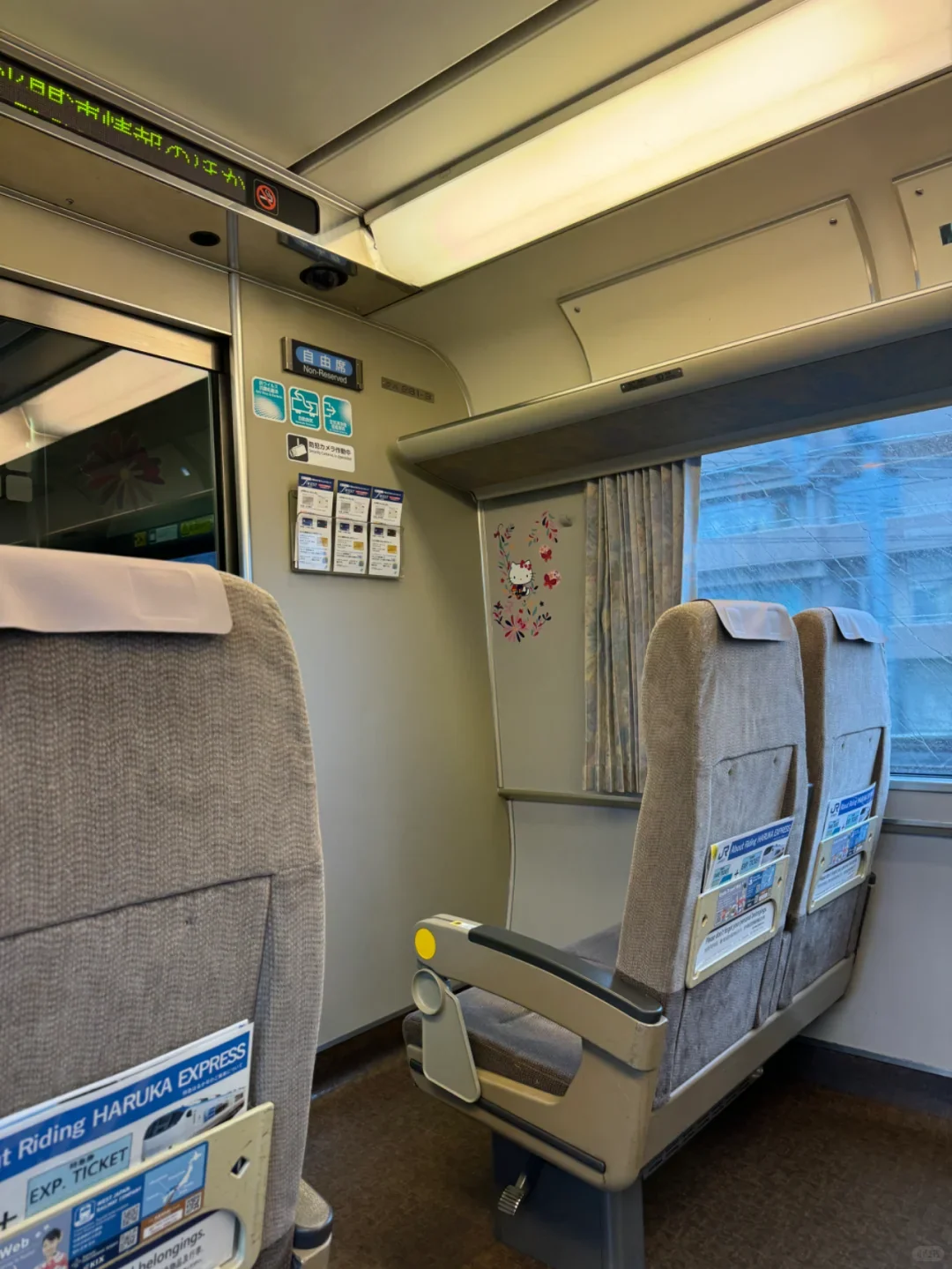
The HARUKA usually runs as a nine-car set: cars 1–4 and 8–9 are reserved, and cars 5, 6 and 7 are non-reserved (the platform diagram is the final word). With a non-reserved ticket, take any free seat in those three cars; with a reservation, sit where the ticket says.
Non-reserved means you are not tied to a departure, but it also means standing in peak season. During cherry blossom, autumn leaves and long weekends, with children or two large cases, reserve when you buy.
Luggage goes on the racks by the doors or in the space at the ends of each car, where a 28-inch case fits, but it is first come, first served. The HARUKA has no advance-booking rule for oversized bags as the shinkansen does; even so, do not block the aisle or the exits when the train is full. There are toilets on board, and announcements are in Japanese and English.
5. Seventy-five minutes to Kyoto
The train crosses the sea bridge with Osaka Bay on the right, joins the Hanwa line at Hineno, reaches Tennoji in about 35 minutes, runs around the edge of Osaka to Shin-Osaka, then north up the Kyoto line to arrive 75–80 minutes after leaving the airport.
At Kyoto Station it usually arrives at platforms 30 and 31 on the west side; follow the signs for the Central Exit or the Hachijo Exit, and allow five minutes with luggage.
A cheaper alternative exists: the Kansai Airport Rapid to Osaka Station, then a Special Rapid to Kyoto, about 1 hour 45 minutes for roughly half the fare, at the cost of a change in Osaka with your bags. With a tight schedule or a shinkansen to catch, the one-seat ride wins.
6. Changing at Kyoto Station: out of JR first, then the metro
Kyoto Station is enormous, and the first visit usually ends in a pause at the gates. The order matters: leave the JR gates first, then change to the metro or the buses.
The Karasuma metro line is signposted from the Underground East Exit, and its gates sit beside the JR exit, tucked away enough that it is easy to walk straight in and find you are still inside the JR paid area with an unsettled ticket. Push your ticket through the JR gate, leave, then buy a metro ticket or tap in. Shijo, Gojo and Karasuma Oike are all on that line.
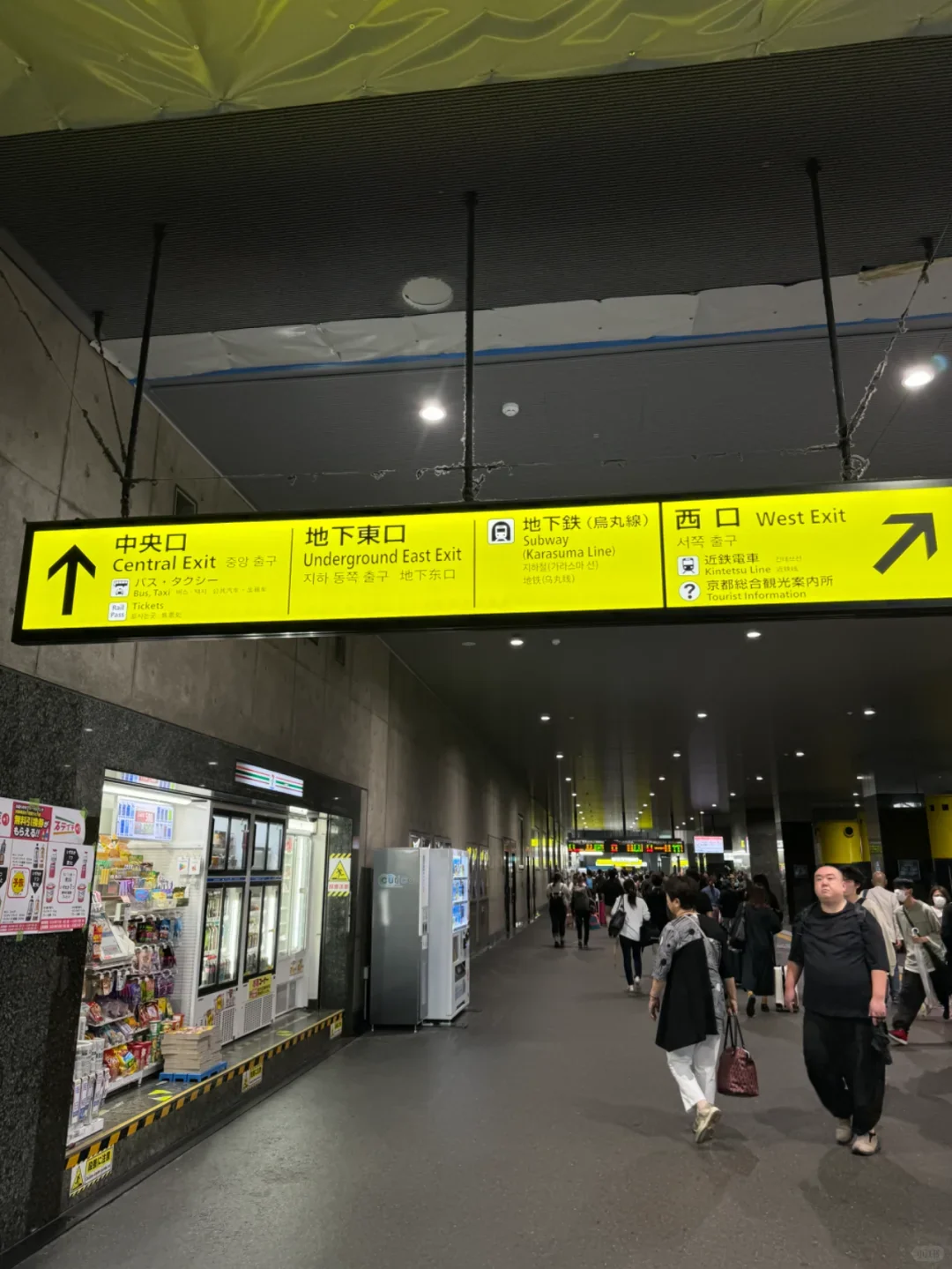
The bus terminal is outside the Central Exit, where city buses start for Kiyomizu-dera, Kinkaku-ji and Arashiyama. Kintetsu for Nara leaves from the Hachijo side, and the shinkansen is there too — crossing the station takes ten minutes. With a lot of luggage, use the coin lockers or the takuhaibin counter and go sightseeing without the cases.
Related links
- On this site: Kansai International Airport (KIX), Japan (JP)
- More articles: Kansai airport arrival guide, Your first hour at Kansai Airport: immigration, SIM cards and ICOCA
- Wikipedia: Kansai International Airport, Haruka (train), Kyoto Station
- Baidu Baike: Kansai International Airport, Haruka, Kyoto Station
Fares, discount conditions and timetables follow what JR West publishes; the operator's notices on the day prevail. Image credit: compiled from public material.
More articlesTravel notes
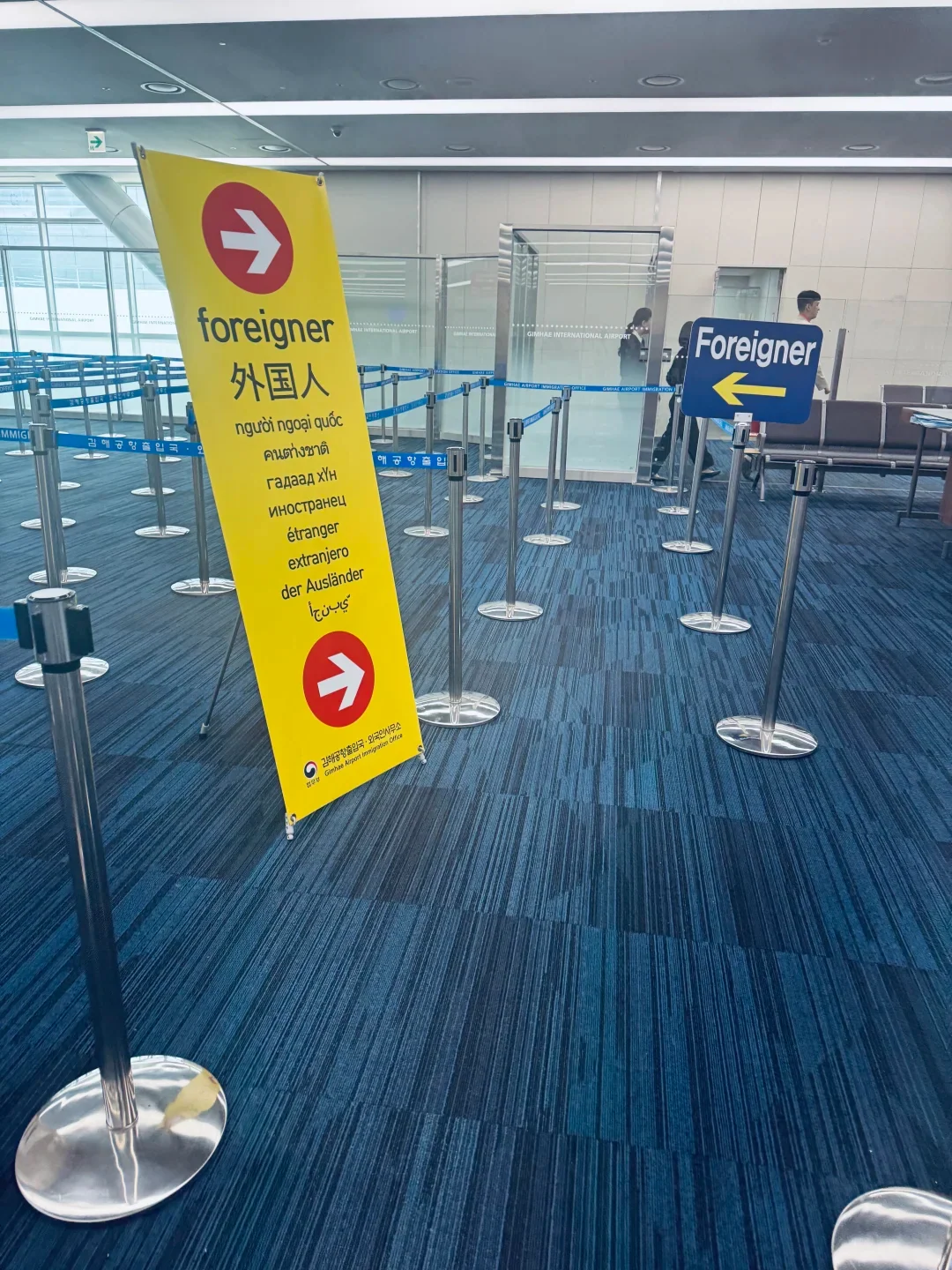
Arriving at Busan Gimhae: e-Arrival Card, Immigration and Customs
A practical walkthrough of arrival at Gimhae International Airport (PUS): filing the Korean e-Arrival Card three days ahead, preparing a Korean address and five-digit postal code, the foreigner lane with fingerprint and face capture, baggage and customs, and how to reach the light rail, bus or taxi after exit.5 min read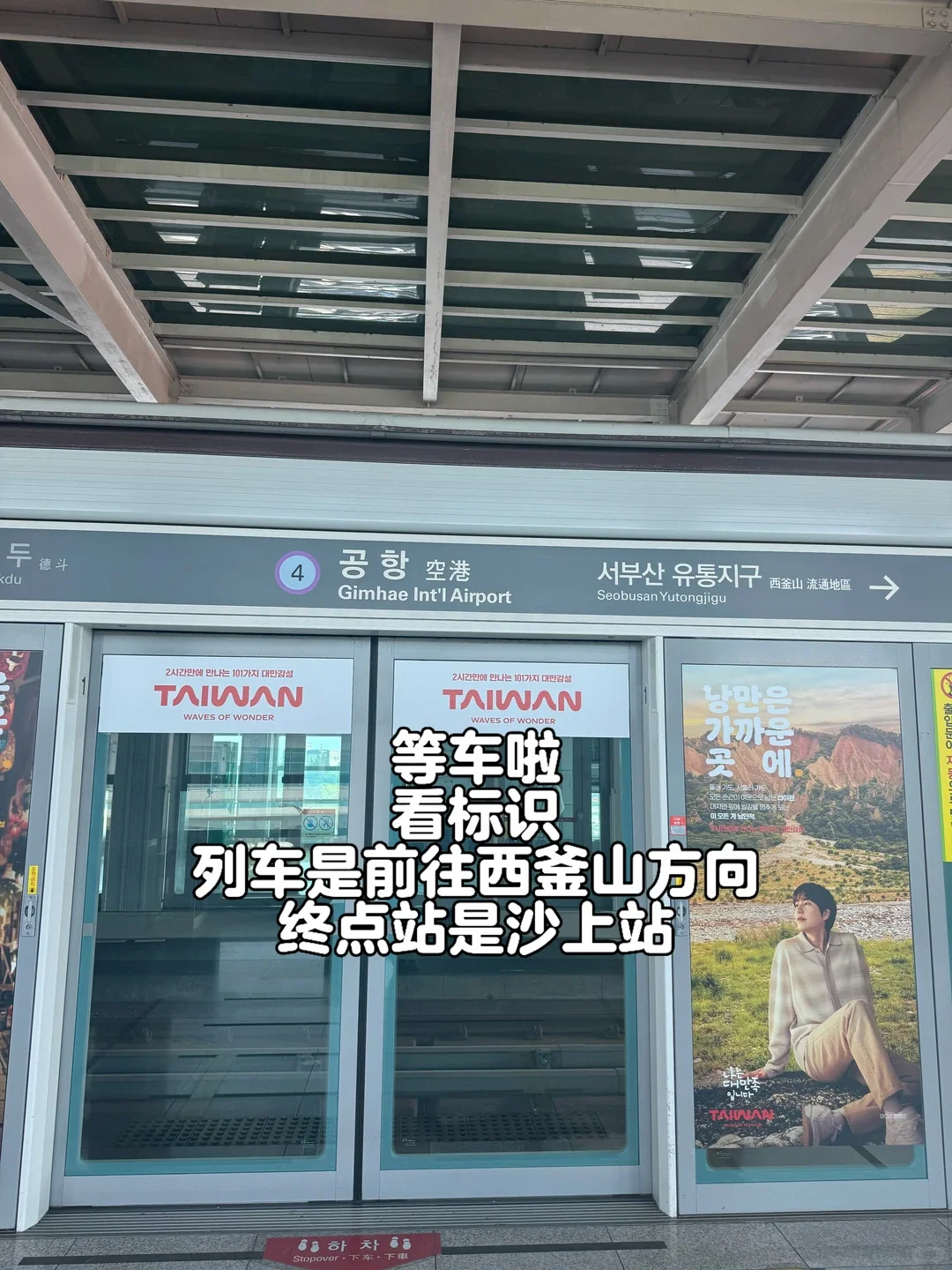
Busan Gimhae Airport by Light Rail: Airport Station to Line 2
A step-by-step guide to the Busan–Gimhae Light Rail Transit from Gimhae International Airport (PUS) into Busan: the walk from international arrivals to Airport Station, T-money and ticket fares, three stops and six minutes to Sasang, the change to the green Line 2, and journey times to Seomyeon and Haeundae.4 min read