Arriving at JFK: Immigration, the AirTrain and the Subway into Manhattan
- JFK
- US immigration
- AirTrain
- New York subway
- OMNY
From the international gate to a seat on a Manhattan subway, JFK takes four steps: immigration, baggage, customs, then the AirTrain and a train into the city. The steps are few, but the airport is large and the signs branch; one wrong turn with a case costs half an hour.
Below they come in the order you meet them: T1 arrivals, the CBP queue, the two AirTrain branches, and the change at Jamaica. Waiting times vary with the flight and the hour, so treat the figures as references.
1. Arrivals: find the visitors lane
International arrivals are on the ground floor; follow "Arrivals". Non-US citizens all use the visitors lane, whether they travel on ESTA or a visa, while US citizens and permanent residents queue on the other side. T1 is one of JFK's older international terminals and arrivals are compact: you pass the transit area, then come down into the immigration hall.
Have the documents in your hand before you queue: passport, ESTA or visa, EVUS printout for a ten-year B1/B2 visa, return or onward ticket, hotel booking. Screenshots on your phone work, but paper is steadier when the signal fails.
The queue depends on how many flights land together: two or three wide-bodies at once means forty or fifty minutes, staggered arrivals clear in fifteen. Phones and photography are banned in the immigration hall, so put the phone away. Families with small children can use the family lane.
2. CBP and customs: what gets asked
A Customs and Border Protection officer usually asks four things: purpose of the trip, length of stay, where you are staying, and whether you carry food or more than $10,000 in cash. Fingerprints and a photo follow, and that is normally it. If you are sent to secondary inspection, stay calm and explain the itinerary with your booking confirmations.
Baggage comes after immigration. Find the carousel for your flight on the screens, collect the case, then clear customs: the green channel if you have nothing to declare, the red one for food, excess alcohol or tobacco, or cash over $10,000. The declaration form can be filled in on the plane or at the kiosks in the hall; meat, fruit and pet food all count as declarable.
If your next flight is domestic, you still collect every bag, clear customs, then re-check and go through security again on the departures level — JFK has no sterile international-to-domestic transfer.
Past customs is the arrivals hall, where people wait to meet you. SIM cards, exchange and transport desks there are priced for captives; arrange anything you can online before you fly.
3. AirTrain: Jamaica or Howard Beach
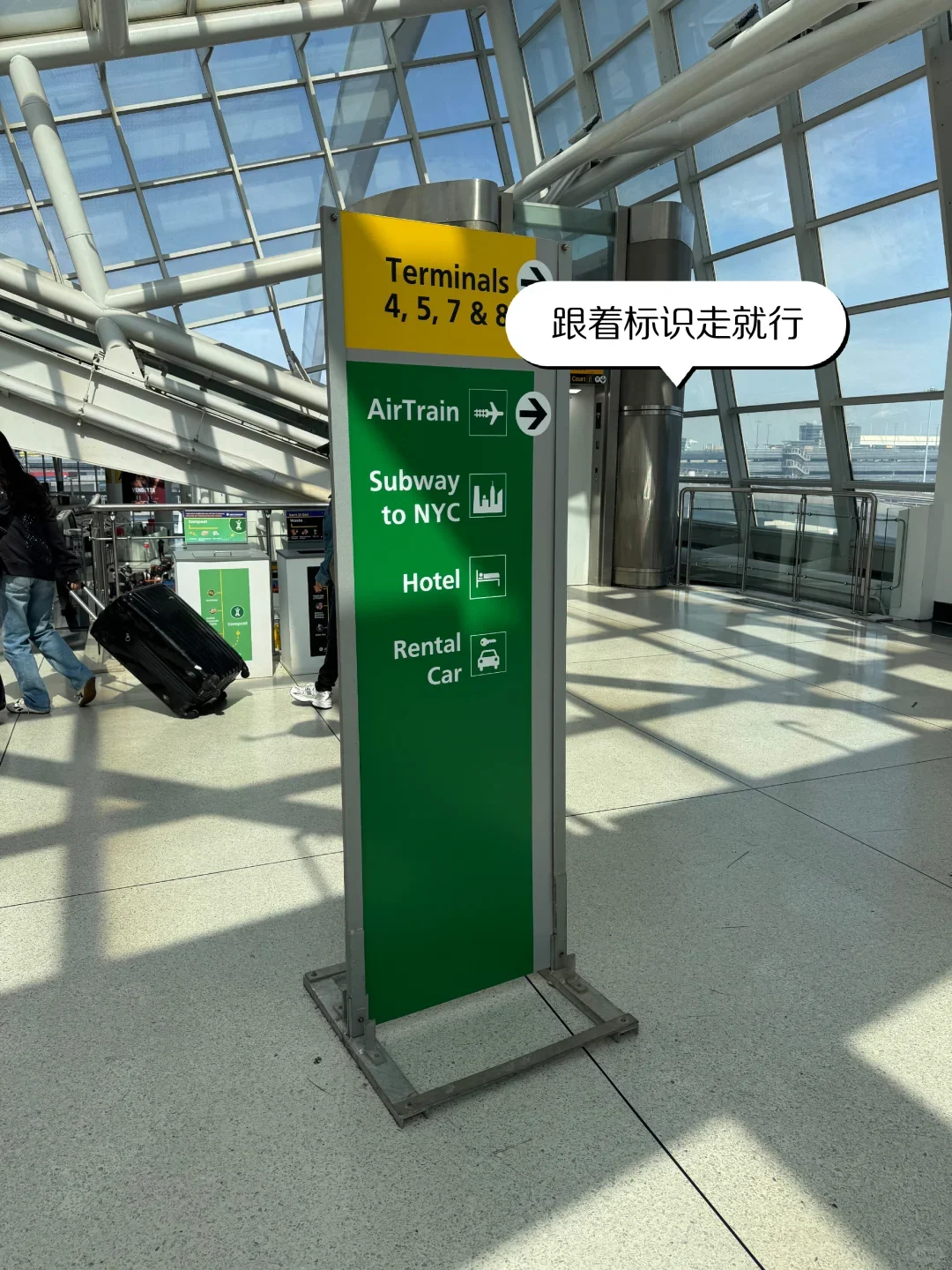
Follow the AirTrain signs out of the terminal and take the lift or escalator up to the platform. The AirTrain is free between terminals and charges only when you leave the airport, so a wrong terminal costs nothing and a terminal change on a connection needs no ticket. Trains run every 5–10 minutes at peak times and about every 15 minutes late at night, with luggage racks at the carriage ends.
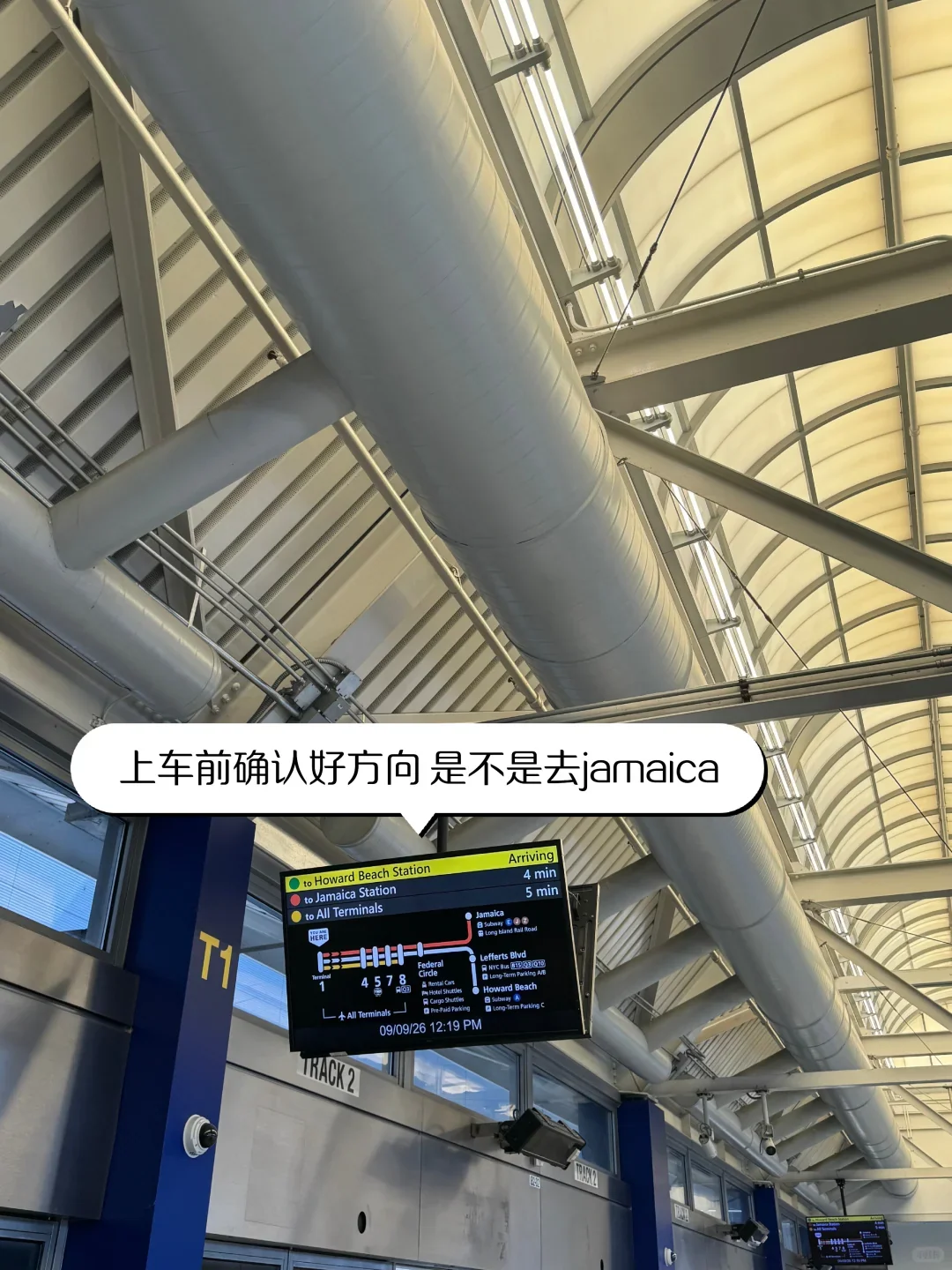
From T1 there are two directions. One runs to Jamaica, calling at Terminals 4, 5, 7 and 8 first, in about 10–15 minutes; the other runs to Howard Beach for the A train. The platform screen names the next train and its destination, so check it before boarding rather than following the crowd.
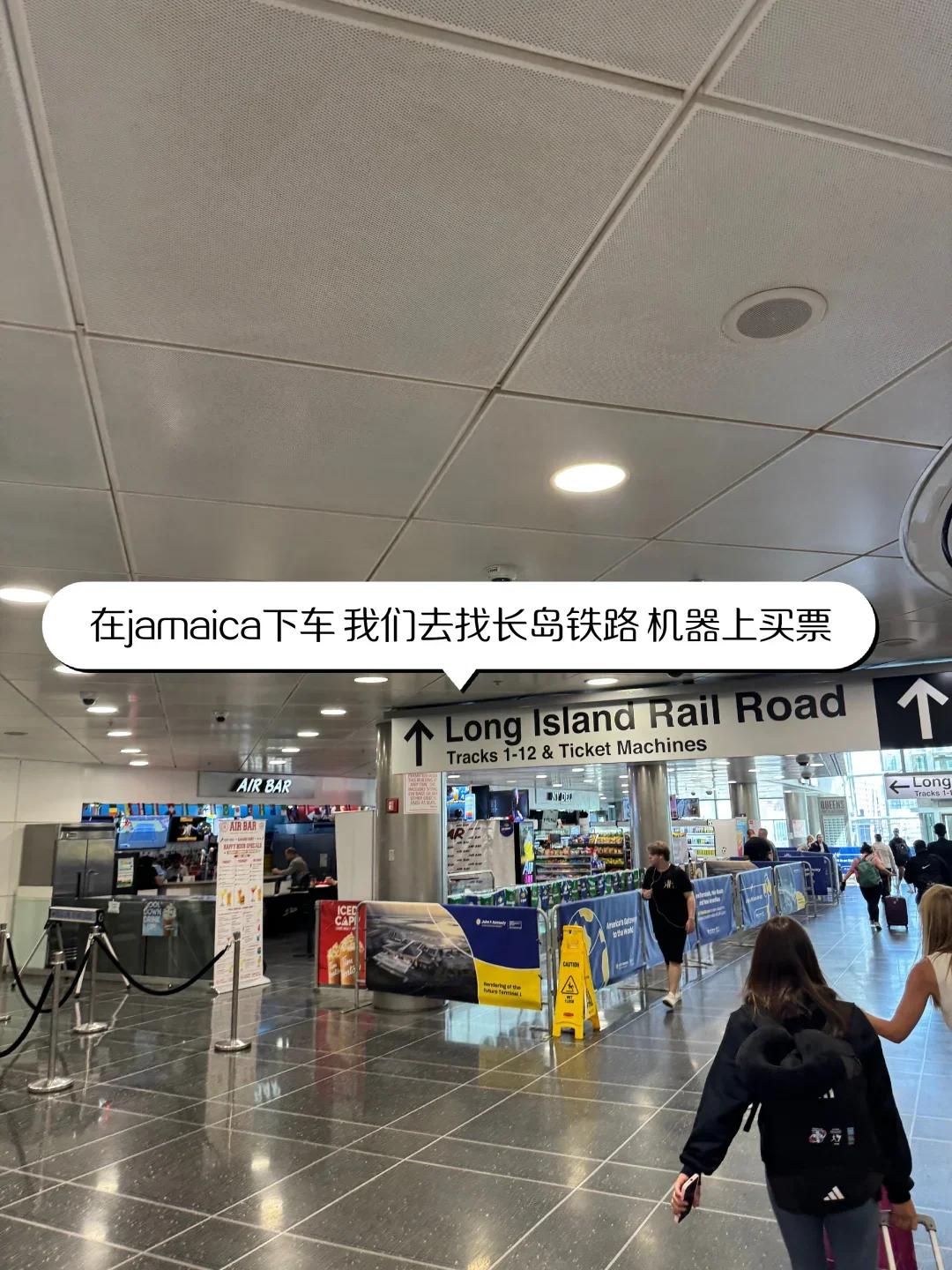
You pay about $8.50 when you leave at Jamaica or Howard Beach. The gates take OMNY or a contactless card or phone and do not accept cash; if you are carrying cash, buy a ticket from the machines in the concourse first. Jamaica is a multi-level interchange for the AirTrain, the Long Island Rail Road and the subway, and the signs keep you from walking the long way round.
4. Jamaica: the E, J and Z, and OMNY
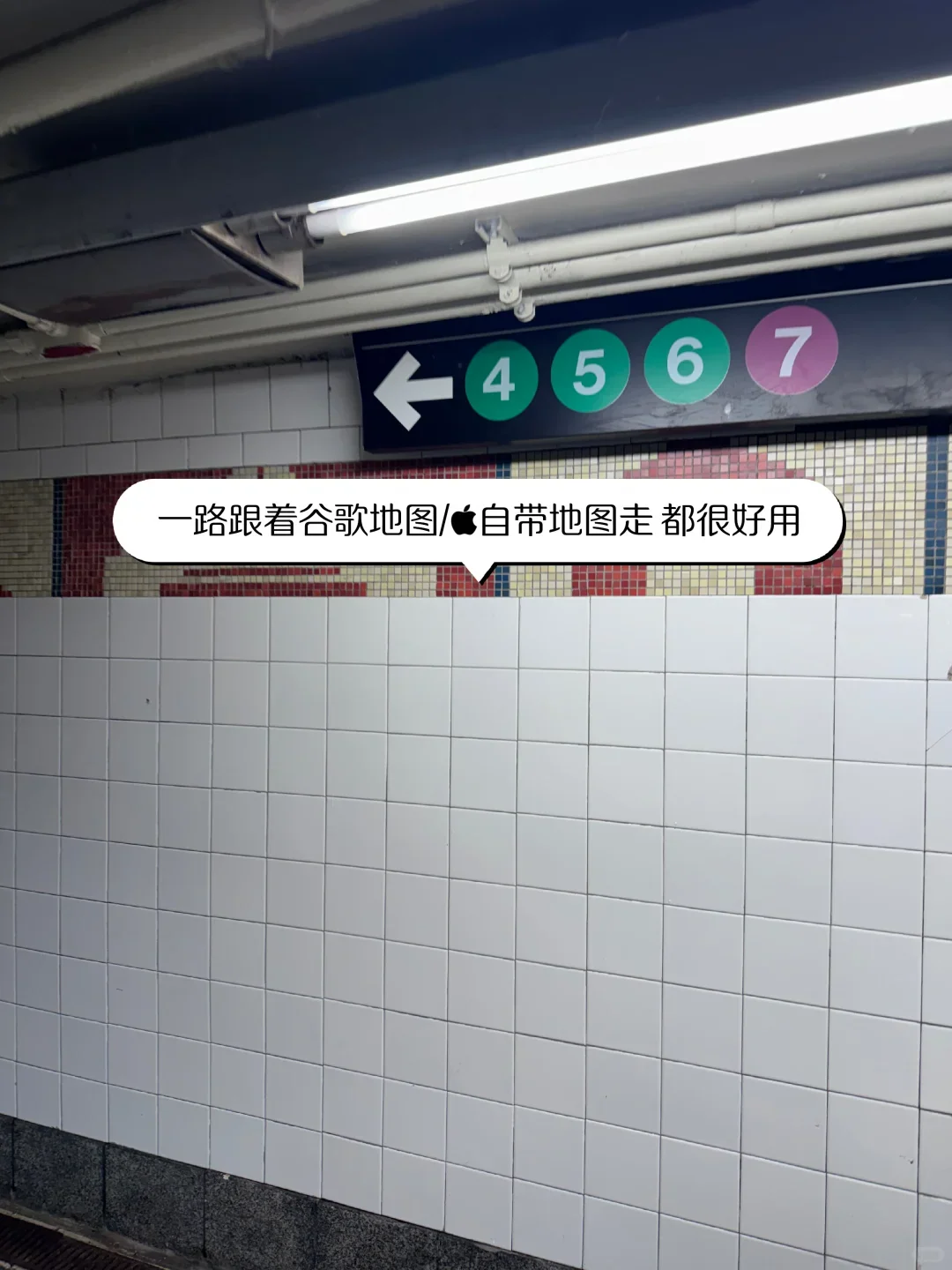
Leave the AirTrain and follow the "Subway" signs through the indoor walkway to Sutphin Blvd–Archer Av–JFK, about five minutes on foot. The E runs down Queens Boulevard into Midtown, calling around 53 St–7 Av and Lexington Av–53 St; the J and Z cross the Williamsburg Bridge to Lower Manhattan, calling at Fulton St and Broad St. Midtown means the E; Lower Manhattan means the J or Z.
The subway costs about $3 a ride, paid by tapping OMNY with a card or phone. MetroCard is being phased out and stations no longer sell new cards; old cards with credit can still be used up. You tap in only — there is no tap out, and changing lines inside the system is free. After 12 taps in seven days the rest are free, with a weekly cap of about $35, which pays off on a longer stay.
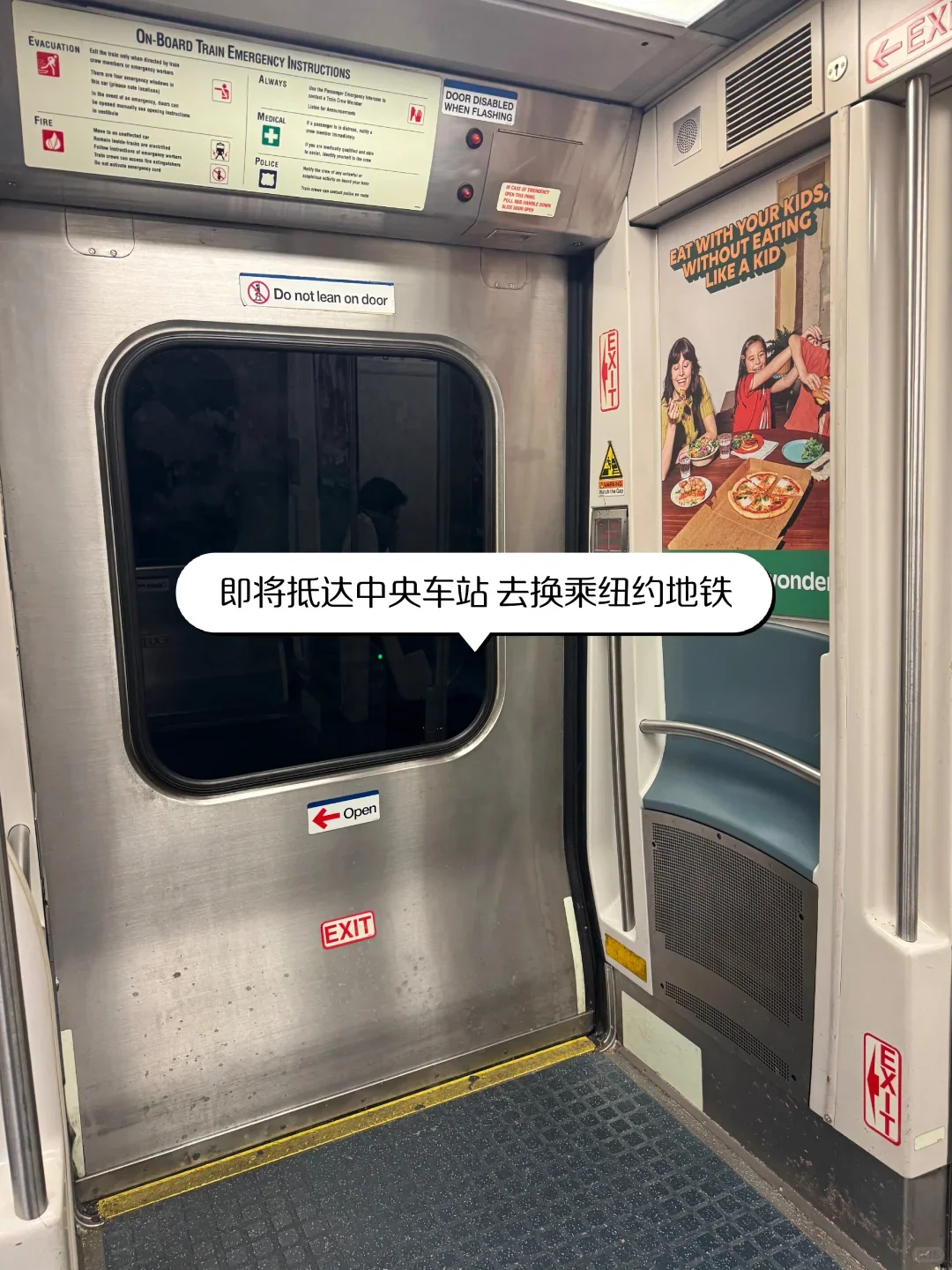
Midtown takes about 45–60 minutes, slower than a taxi and a fraction of the price. The E runs overnight; the J and Z are thin after midnight, so check the last train if you land late and are staying downtown. For Times Square, change at 42 St, where the north–south lines converge.
5. Faster options: the LIRR, the A train and taxis
The Long Island Rail Road is quicker: change at Jamaica and reach Grand Central Madison or Penn Station in about 20 minutes, with CityTicket at about $5–6 and frequent trains; the carriages take large cases. CityTicket is the discounted fare for travel inside the city limits, and the hours it applies to are set by the MTA. With Midtown accommodation and heavy bags, it beats the subway for effort.
The other branch is the AirTrain to Howard Beach for the A train, which reaches Lower Manhattan and Brooklyn without crossing Midtown, in about 60 minutes; a covered walkway with lifts connects the AirTrain to the A platform. Taxis and ride-hailing pick up outside the terminals in marked areas, and a taxi to Midtown runs about $70–80 plus tolls and tip, more at night or in traffic. Join the taxi queue at night and use the designated ride-hail pickup rather than hailing from the kerb.
| Option | Time to Midtown | Reference cost |
|---|---|---|
| AirTrain + E train | 60–75 min | about $11.50 |
| AirTrain + LIRR | 40–50 min | about $14–15 |
| Taxi | 40–70 min | from $70–80 |
6. Things that catch people out
- Do not mix up the branches: Jamaica for the E, J, Z and the LIRR; Howard Beach for the A.
- The AirTrain is free between terminals, but leaving and re-entering the system is charged again.
- Late at night the AirTrain runs all night and the E runs overnight, while the J and Z are sparse.
- Allow at least three hours to change terminals for a connection: AirTrain plus a second security check.
- Most subway stations have no lifts, so two large cases mean stairs; pick an exit with an elevator where you can.
- Stand back from the platform edge, and sit in a busy carriage late at night.
Related links
- On this site: John F. Kennedy International Airport (JFK), United States (US)
- Wikipedia: John F. Kennedy International Airport, AirTrain JFK, New York City Subway
- Baidu Baike: John F. Kennedy International Airport, AirTrain JFK, New York City Subway
Fares and times follow MTA and JFK Airport published information; entry rules follow the latest CBP and US embassy notices. Source: WeChat travel guide.
More articlesTravel notes
Arriving at Busan Gimhae: e-Arrival Card, Immigration and Customs
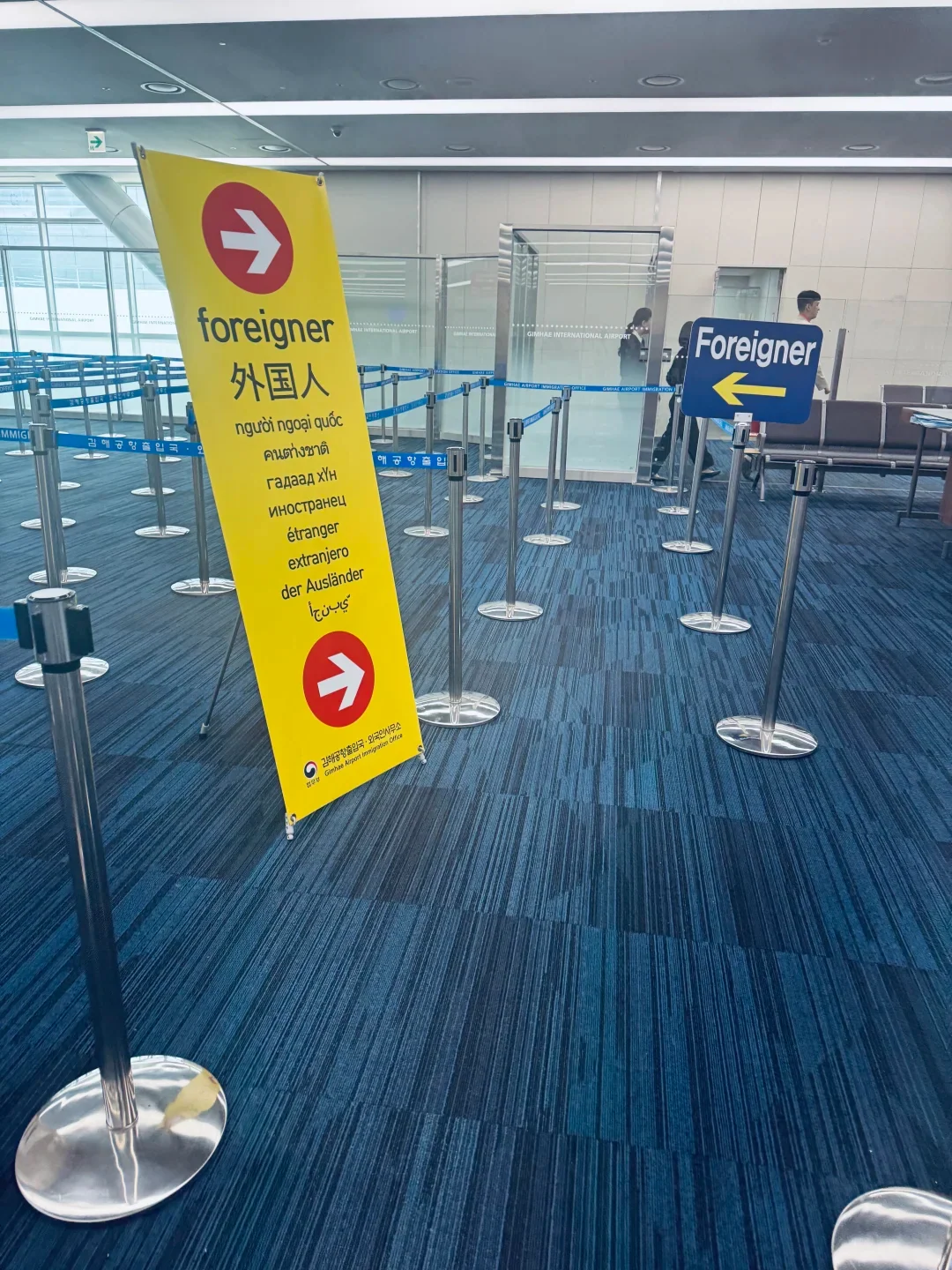
A practical walkthrough of arrival at Gimhae International Airport (PUS): filing the Korean e-Arrival Card three days ahead, preparing a Korean address and five-digit postal code, the foreigner lane with fingerprint and face capture, baggage and customs, and how to reach the light rail, bus or taxi after exit.5 min read
Busan Gimhae Airport by Light Rail: Airport Station to Line 2
A step-by-step guide to the Busan–Gimhae Light Rail Transit from Gimhae International Airport (PUS) into Busan: the walk from international arrivals to Airport Station, T-money and ticket fares, three stops and six minutes to Sasang, the change to the green Line 2, and journey times to Seomyeon and Haeundae.4 min read