New York to Washington by Amtrak: Acela or the Northeast Regional
- Amtrak
- Penn Station
- Washington Union Station
- Northeast Corridor
- US rail
New York to Washington is a little over 300 kilometres, and the train is the least fretful way to do it: city centre to city centre, no two-hour airport buffer, no security queue. Amtrak runs two services on the Northeast Corridor — the stop-heavy Northeast Regional and the faster Acela — and both take around three hours.
What follows is the order you meet it all: choosing the train, buying the ticket, entering the station, boarding, and arriving. Fares move with the date and the remaining seats, so treat the figures as references and check Amtrak on the day.
1. Choosing the train: Acela or Northeast Regional
Acela is the fast service, taking about 2 hours 45 minutes to 3 hours from New York to Washington with only a handful of stops, all seats reserved, in business and first class. The Northeast Regional stops more often and takes about 3 hours 20 minutes to 3 hours 40 minutes, with unreserved coach and a reserved business class, usually at a much lower fare.
Both leave from Moynihan Train Hall at Penn Station and both arrive at Washington Union Station. During the day there is roughly an hourly departure on each, with Acela slightly less frequent. If time matters or someone else is paying, take Acela; on a budget, the Regional is only half an hour to an hour slower and much better value. Weekends and holidays fill up, so earlier booking means more choice.
2. Buying a ticket: Amtrak, the app, or Omio
The official channels are the Amtrak website and app: pick a train, a class and a seat preference, and the e-ticket sits in your account. Amtrak prices are dynamic — the same train can cost thirty or forty dollars two months out and several times that the day before. The Saver, Value and Flex fare families differ in how easily you can change or cancel: Saver is cheapest and usually neither refundable nor changeable, Value can be changed for a fee, and Flex is the most flexible and the most expensive. If your dates are not fixed, do not chase the cheapest fare.
The Amtrak site and app can be unreliable from inside China, and third-party platforms such as Omio will issue the same ticket: enter origin, destination and date, choose a train, pay by card, and the confirmation email carries the e-ticket. There is a small service fee, but the interface is simple and works in Chinese, which helps for a last-minute booking.
You do not need to print the e-ticket; keep it on your phone. The conductor walks the train and scans the code.
3. Leaving New York: Penn Station and Moynihan
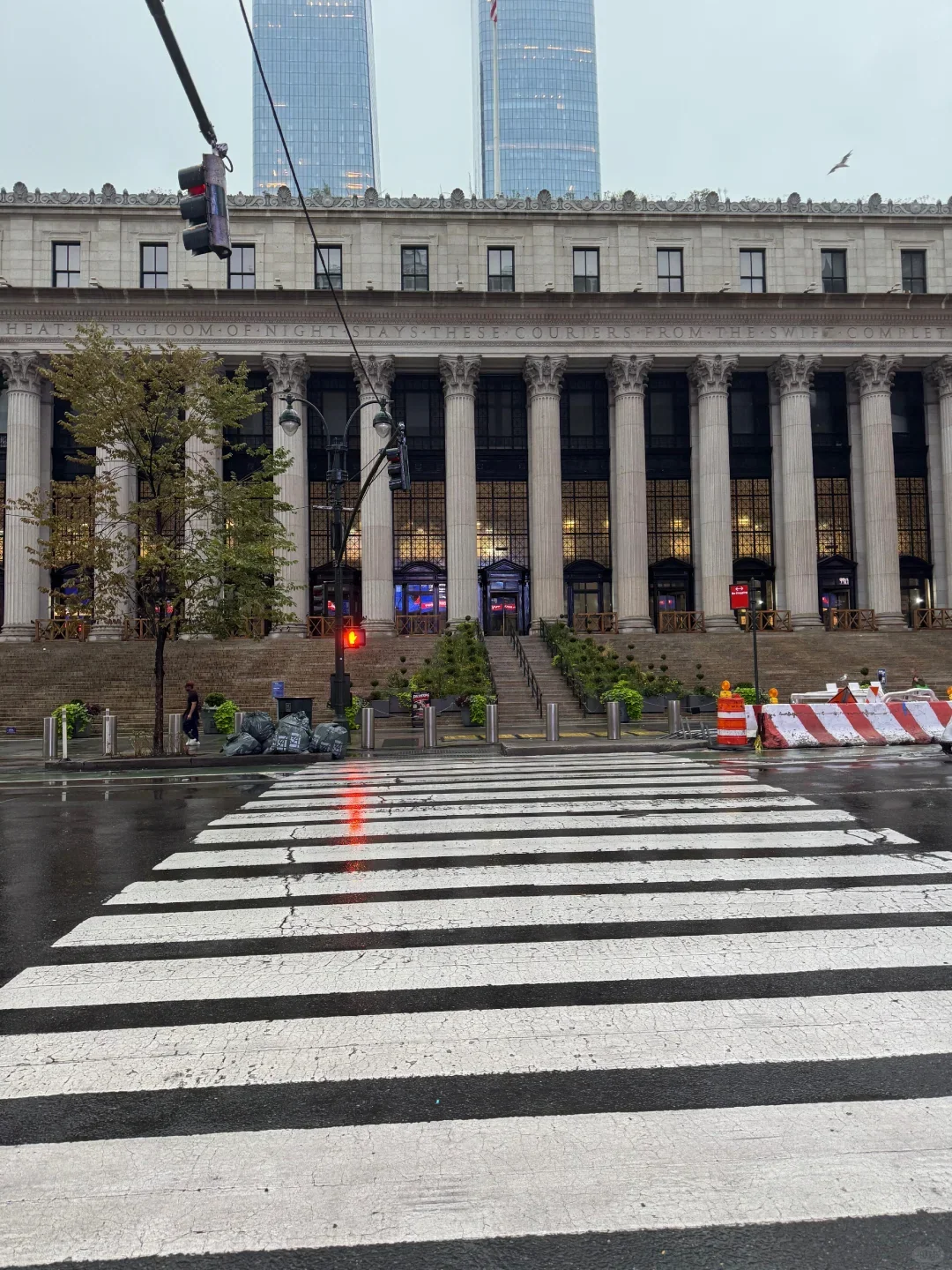
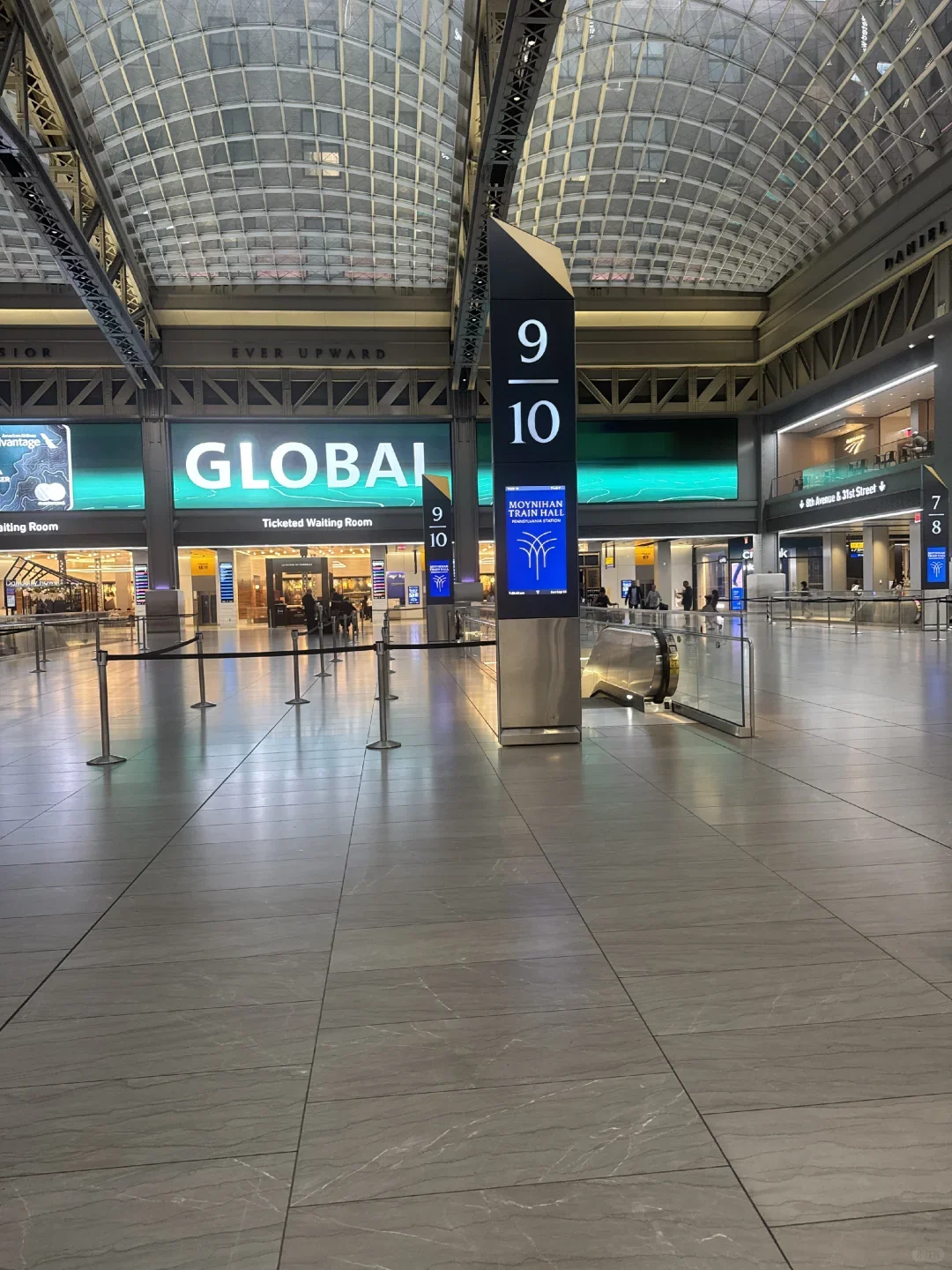
Amtrak's departure hall in New York is Moynihan Train Hall, inside the old Farley Post Office building on the west side of Eighth Avenue, across the street from Penn Station. From the 34 St–Penn Station subway, follow the "Amtrak / Moynihan Train Hall" signs through the passage or up to street level and across. If you arrive on the Long Island Rail Road or NJ Transit at Penn, the same signs lead there in about five minutes.
The hall has waiting areas, food and toilets, and arriving 30–40 minutes before departure is enough. There is no security screening and no check-in desk; nobody asks for ID at the gate, and nobody weighs your bags.
The track is usually posted only 10–15 minutes before departure, on the boards and over the public address at the same time, sometimes with staff calling it out. When your train appears, follow the crowd to the gate and down to the platform.
4. On board: seats, bags and the quiet car
Northeast Regional coach is unreserved: take any free seat. Overhead racks take a 26-inch case, and larger bags go in the racks at the carriage ends. Each passenger can usually bring two large bags and two small ones at no charge, and they are rarely weighed. Business class is reserved; on Acela every seat is reserved, and business and first are wider. There are power outlets at the seats.
Each carriage has a lavatory, and the conductor comes through after departure to scan tickets. One coach is normally the Quiet Car: no phone calls and no audible audio, with calls taken in the vestibule. For sleep or work, that is the car to pick. Boarding is busy, so stow the case first and then find a seat rather than blocking the aisle.
There is no food service beyond the café car: the Regional has one carriage selling coffee, sandwiches and snacks, while Acela first class serves at your seat. Bring your own water — buying it in the station is cheaper.
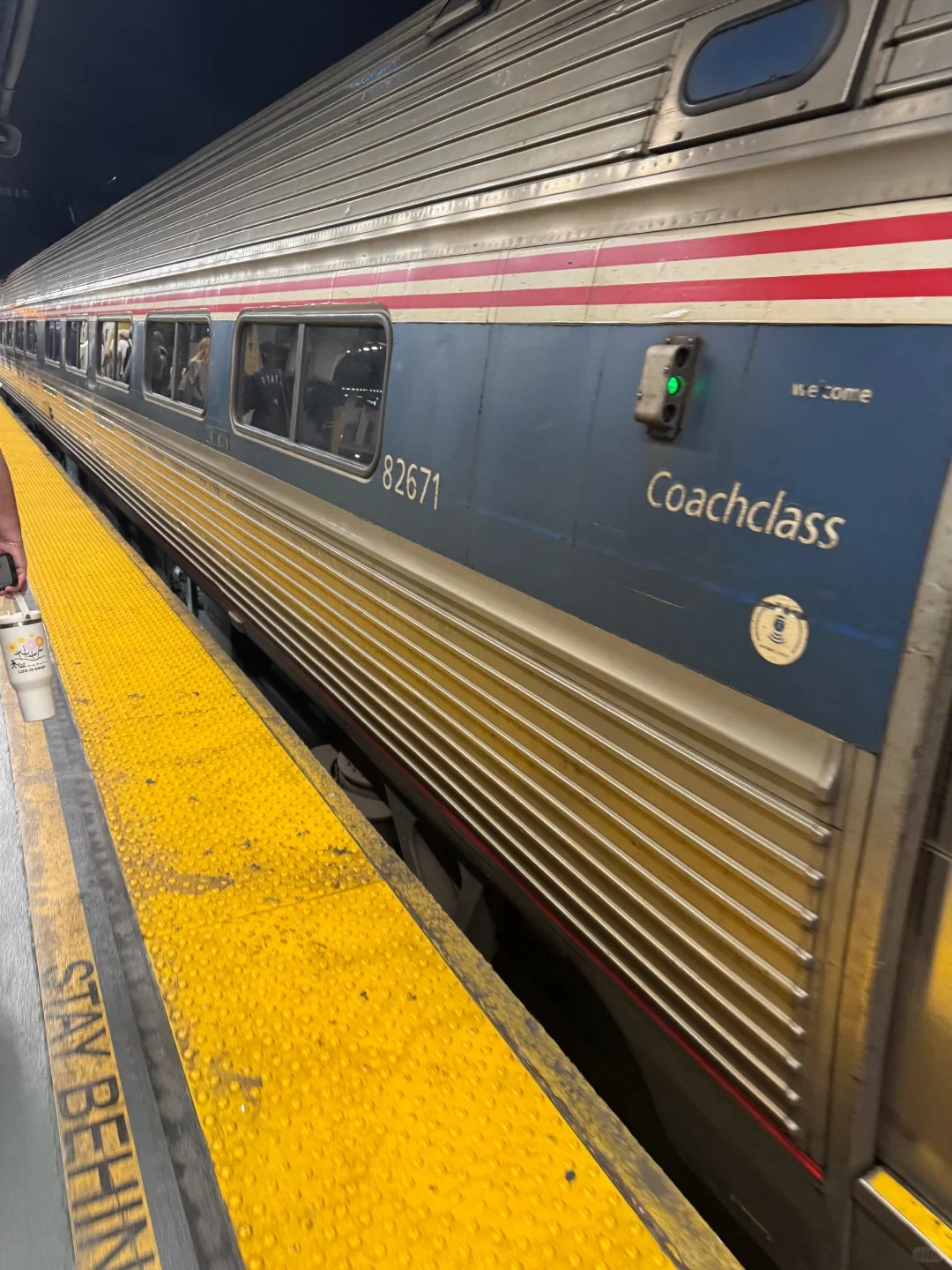
5. Three and a half hours on the rails
Out of Penn Station the train dives under the Hudson, crosses New Jersey by way of Newark and Trenton, stops at Philadelphia and Wilmington in Pennsylvania and Delaware, then runs into Maryland for Baltimore and BWI Airport before Washington. The Delaware River and the upper Chesapeake appear along the way, so a window seat earns its keep.
Most Northeast Regional carriages have no screen showing the next stop, so listen for the announcements or follow the route on your phone map. Wi-Fi is free but weak — messages get through, video does not. Delays are not rare, especially in the afternoon; if a flight or a show follows, leave a margin. The app's real-time information is more current than the boards and platform announcements.
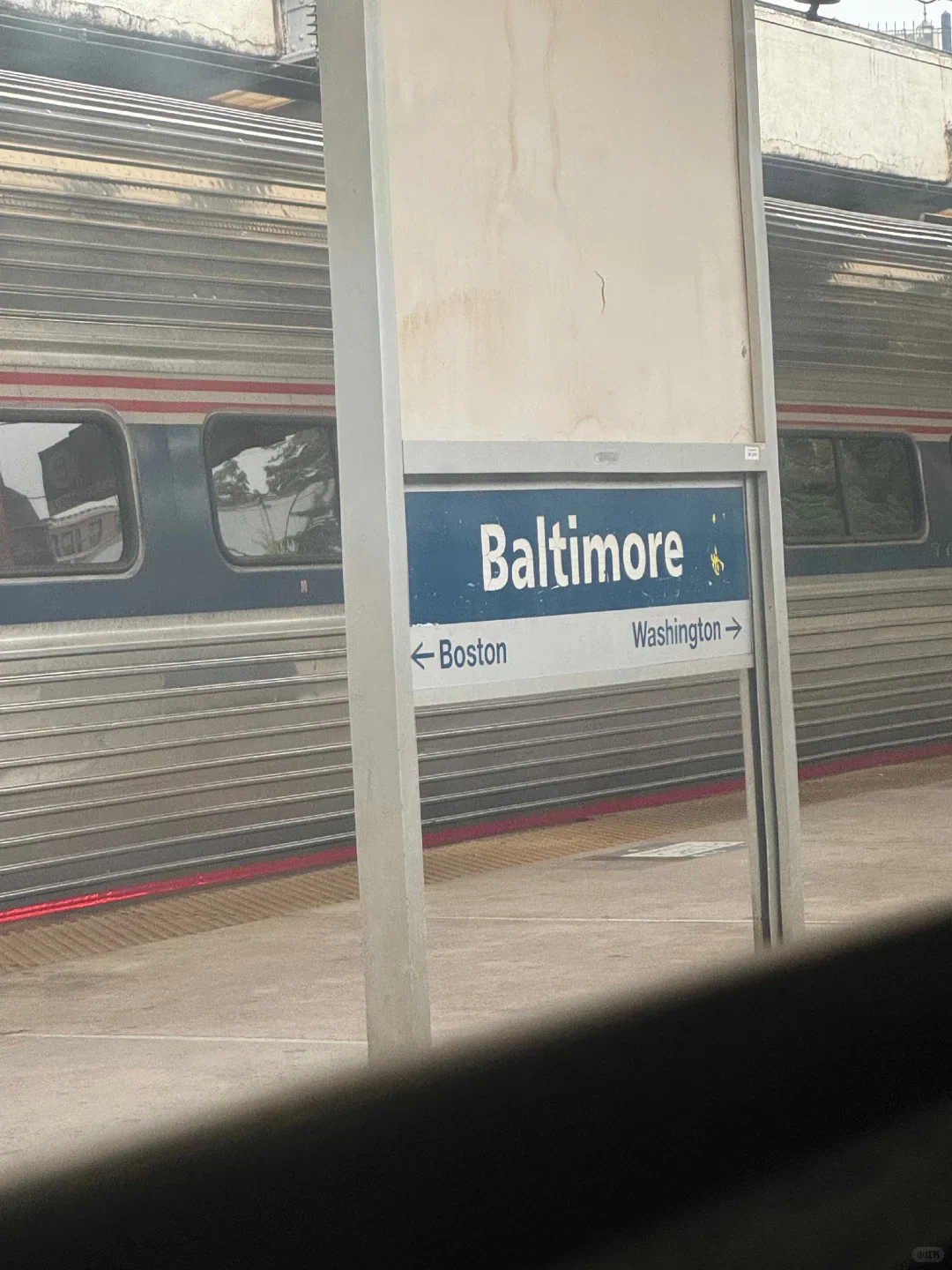
6. Arriving at Union Station and the Metro
Washington Union Station is a Beaux-Arts landmark: you step off into the great hall, with food and shops and an information desk. Amtrak, the MARC commuter trains and VRE all use it, and the Red Line metro station sits underneath — follow the "Metro" signs.
The Capitol is a 10–15 minute walk; for the National Mall and the White House area, take the Red Line to Metro Center or Gallery Place and change. Metro fares are priced by distance and time, about $2–4, paid with a SmarTrip card or a contactless bank card at the gate. Both Red Line directions pass through downtown, so check the destination on the platform screen before boarding.
Taxis and ride-hailing pick up outside the station. With several cases, allow ten minutes from the platform to the Metro, because the walk is longer than it looks.
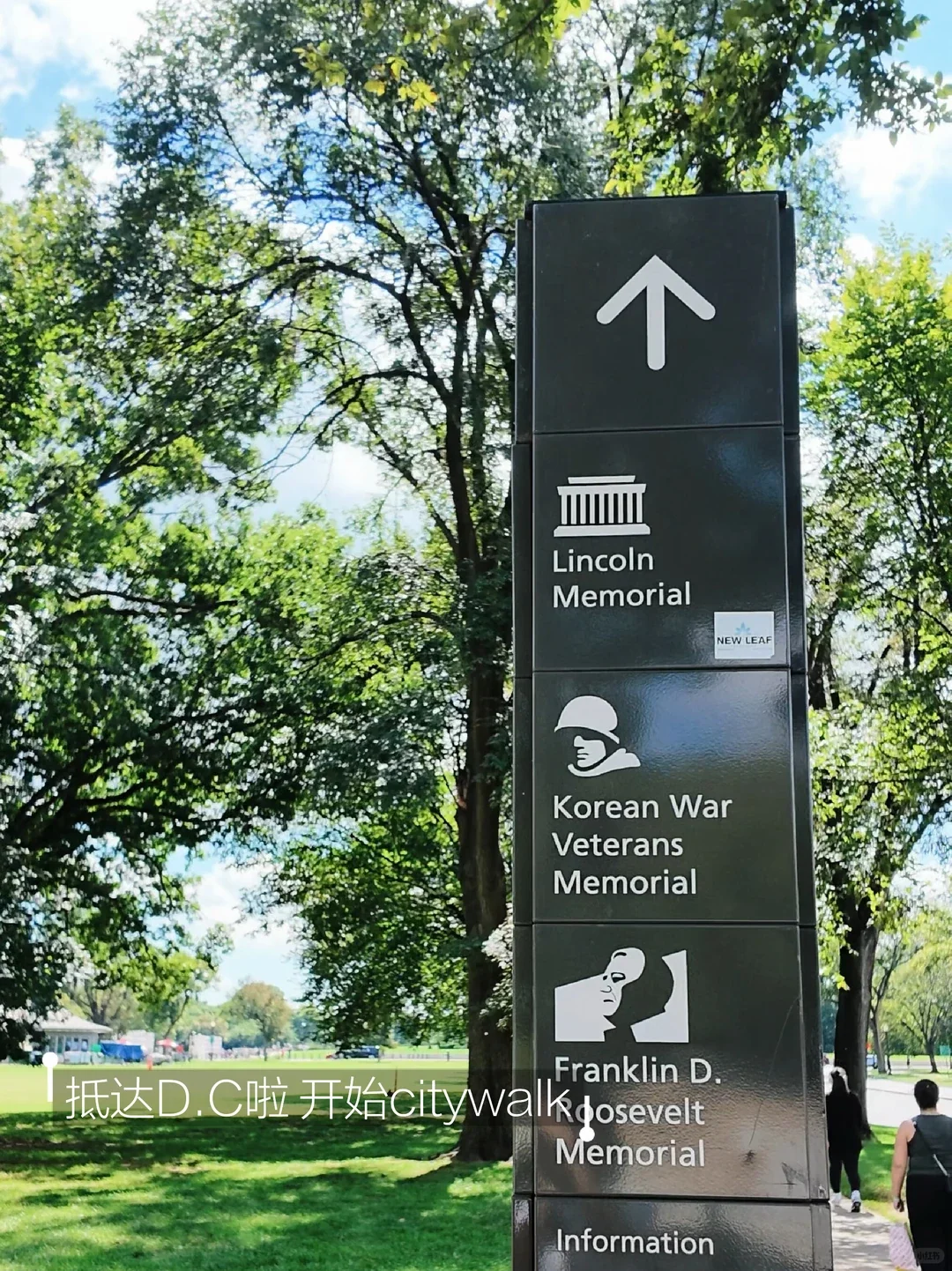
Related links
- On this site: United States (US)
- Wikipedia: Amtrak, Penn Station, Washington Union Station
- Baidu Baike: Amtrak
Fares, timetables and classes follow Amtrak's published information; the operator's website and station notices on the day prevail. Source: WeChat travel guide.
More articlesTravel notes
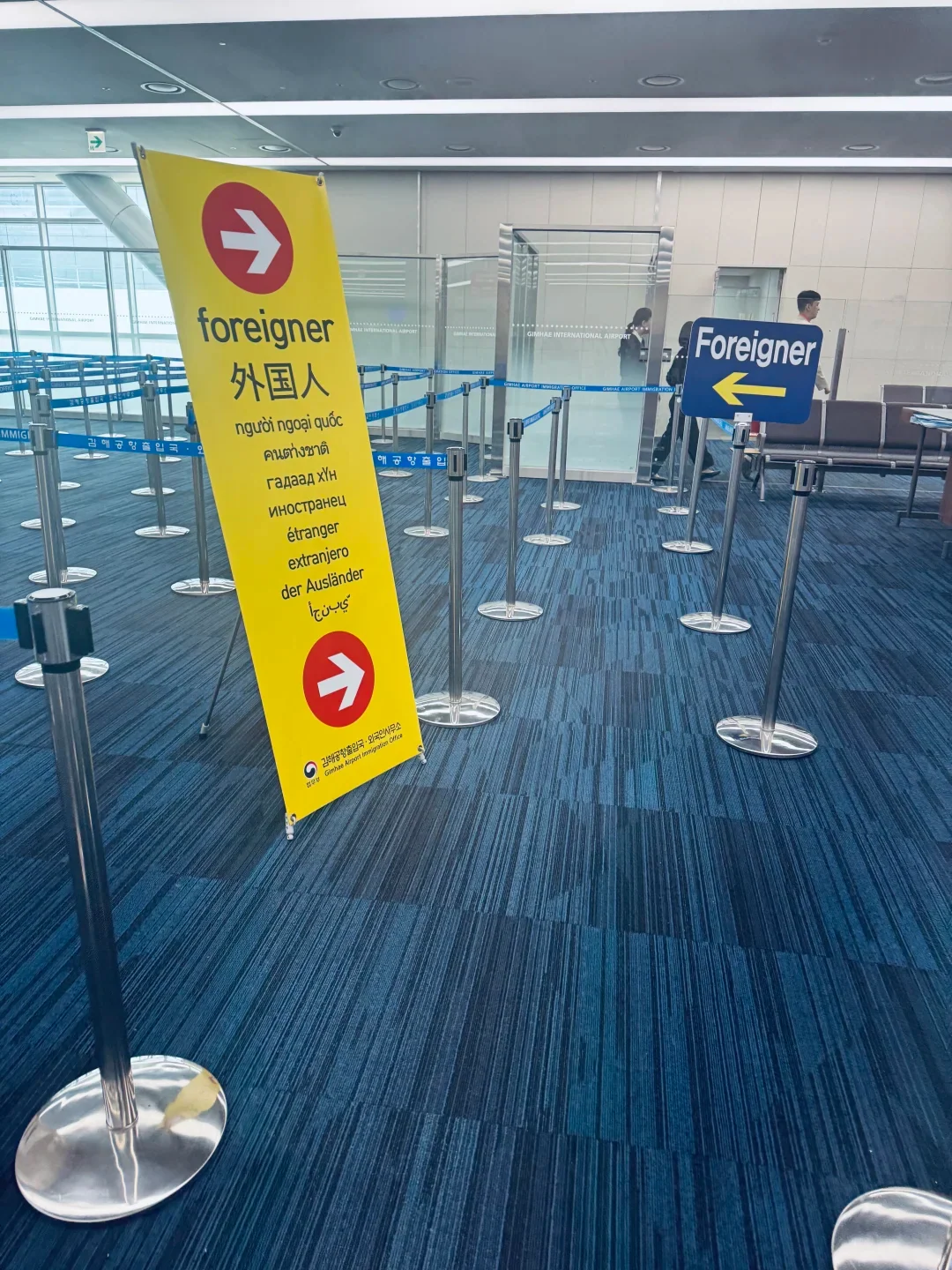
Arriving at Busan Gimhae: e-Arrival Card, Immigration and Customs
A practical walkthrough of arrival at Gimhae International Airport (PUS): filing the Korean e-Arrival Card three days ahead, preparing a Korean address and five-digit postal code, the foreigner lane with fingerprint and face capture, baggage and customs, and how to reach the light rail, bus or taxi after exit.5 min read
Busan Gimhae Airport by Light Rail: Airport Station to Line 2
A step-by-step guide to the Busan–Gimhae Light Rail Transit from Gimhae International Airport (PUS) into Busan: the walk from international arrivals to Airport Station, T-money and ticket fares, three stops and six minutes to Sasang, the change to the green Line 2, and journey times to Seomyeon and Haeundae.4 min read