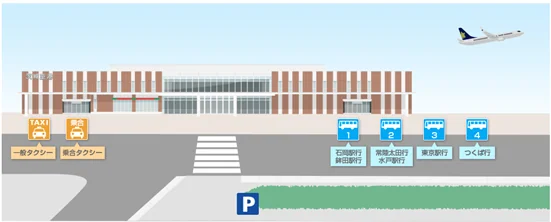
Which airport for Japan? Narita, Haneda, Kansai, Chubu and Naha compared
- Japan airports
- Narita
- Haneda
- Kansai airport
- Japan arrivals
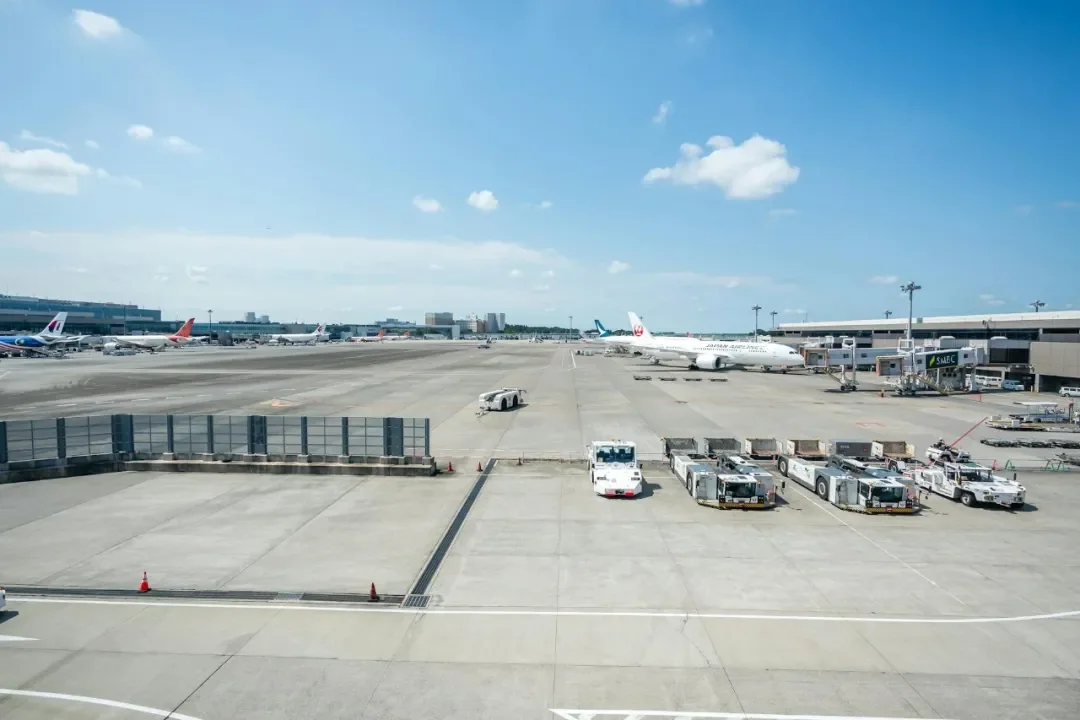
Where you land shapes a Japan trip more than when you take off. Narita and Haneda both serve Tokyo, but one sits in the Chiba countryside and the other on the edge of Tokyo Bay; Kansai occupies a man-made island in Osaka Bay; Chubu is the gateway to Nagoya and the Hokuriku; Naha is squeezed against the edge of Naha city. The transfers into town differ by an hour or two, and by thousands of yen.
This guide compares the five in one table, then works through the Tokyo choice, Kansai and Chubu, Okinawa, the arrival steps everyone goes through, and overnighting after a red-eye. Fares are reference figures; check the operators' sites.
1. Five airports in one table
| Airport | City | Distance to city | Main transport | Journey time | Reference fare | Best for |
|---|---|---|---|---|---|---|
| Narita (NRT) | Tokyo (Chiba) | about 60–70 km | JR Narita Express, Keisei Skyliner, Keisei limited express, limousine bus | 60–90 min | about ¥1,050–3,200 | Tokyo and Kanto, cheaper tickets |
| Haneda (HND) | Tokyo (Tokyo Bay) | about 15 km | Keikyu line, Tokyo Monorail, limousine bus, taxi | 13–40 min | about ¥300–1,230 | Central Tokyo, tight schedules |
| Kansai (KIX) | Osaka, Kyoto | man-made island in Osaka Bay | JR Haruka, Nankai Rapi:t, JR Kansai Airport Rapid, limousine bus | 40–80 min | about ¥1,210–3,490 | Osaka, Kyoto and Kansai |
| Chubu (NGO) | Nagoya | man-made island south of Nagoya | Meitetsu μ-Sky, Meitetsu limited express, limousine bus | 28–35 min | about ¥890–1,500 | Nagoya, Chubu and the Hokuriku |
| Naha (OKA) | Okinawa (Naha) | Naha city | Yui Rail monorail, bus, rental car | 12–30 min | about ¥230–270 | Okinawa main island |
Distances and times are approximate, to the nearest city centre; fares are one-way ranges and exclude taxis. Haneda or Narita for Tokyo, Kansai for Osaka and Kyoto, Chubu for Nagoya and the Hokuriku, Naha for Okinawa — and the Tokyo pair is where the trade-off bites hardest.
2. Tokyo: Haneda (HND) versus Narita (NRT)
Narita International Airport sits in Chiba Prefecture, 60–70 km from Tokyo: the country's largest international gateway, with the widest choice of long-haul flights, three terminals (low-cost carriers use T3) and the richest duty-free shopping. The cost is the transfer — even the fastest train takes an hour.
- JR Narita Express (N'EX): about 60 minutes, reference fare ¥3,070 — fastest and dearest.
- Keisei Skyliner: 36 minutes to Nippori, ¥2,570 — handy for the Yamanote line.
- Keisei limited express: about 70 minutes, ¥1,050 — the cheapest way in.
- Limousine bus: about 100 minutes to Shinjuku, ¥3,200 — hotel door to door.
So: N'EX or Skyliner when time matters; the Keisei limited express when money does, half an hour slower for less than half the fare; the bus for Shinjuku hotels and heavy bags, traffic permitting.
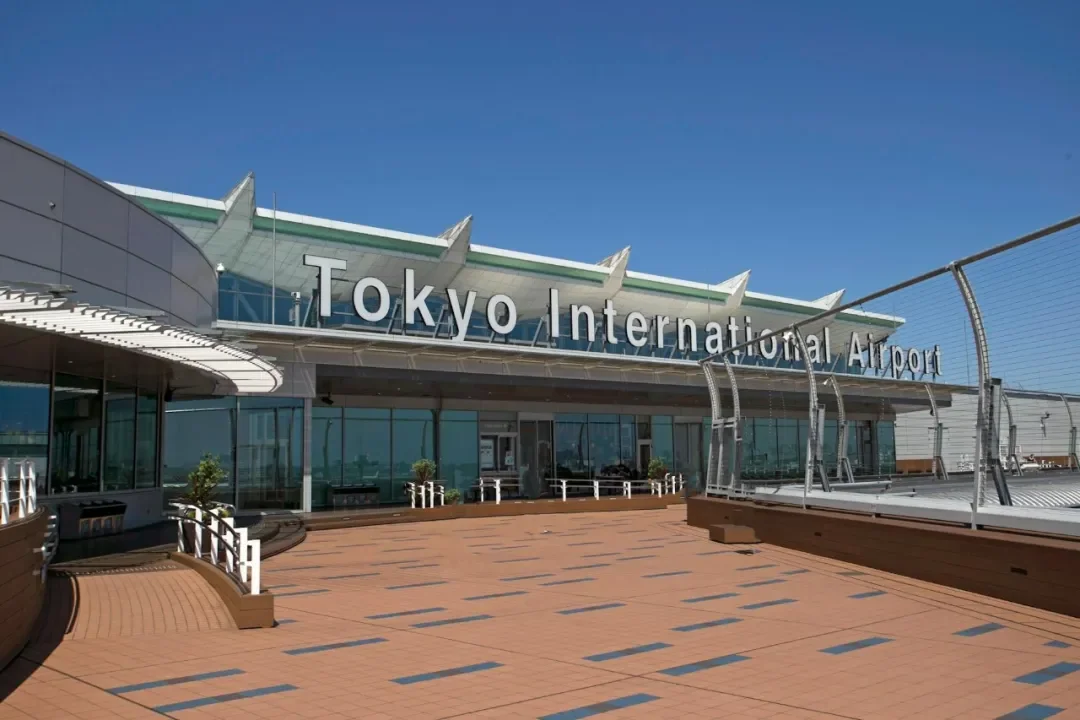
Haneda's official name is Tokyo International Airport. It sits on Tokyo Bay, about 15 km out, and keeps late-night flights: T1 and T2 for domestic flights, T3 for international. Its advantage is distance — a dozen minutes and you are in the city.
- Keikyu line: 13 minutes to Shinagawa, around ¥300–410.
- Tokyo Monorail: 13 minutes to Hamamatsucho, ¥500.
- Limousine bus: 40–50 minutes to Shinjuku, ¥1,230.
- Taxi: about 30 minutes to Ginza, ¥7,000–8,000.
For a Tokyo-only trip Haneda beats Narita: quicker into town and usable late at night. But Haneda tickets usually cost more, while Narita is cheaper and further out; if the fare gap is wide, Narita wins. For Tokyo plus Kansai, fly into Narita and out of Kansai, or the reverse, and skip the backtracking.
3. Kansai (KIX): Osaka, Kyoto and the Kansai region
Kansai International Airport stands on a man-made island in Osaka Bay; T1 does the heavy lifting and T2 serves low-cost carriers.
- JR Haruka: 80 minutes to Kyoto, ¥3,490.
- Nankai Rapi:t: 38 minutes to Namba, ¥1,450.
- JR Kansai Airport Rapid: 65 minutes to Osaka, ¥1,210.
- Limousine bus: 50 minutes into Osaka, ¥1,600.
Which you take depends on where you sleep: Haruka for Kyoto and Nara, no transfer; Rapi:t for Namba and Shinsaibashi; the JR rapid for Umeda and Osaka Station, at the lowest fare; the bus when luggage is heavy.
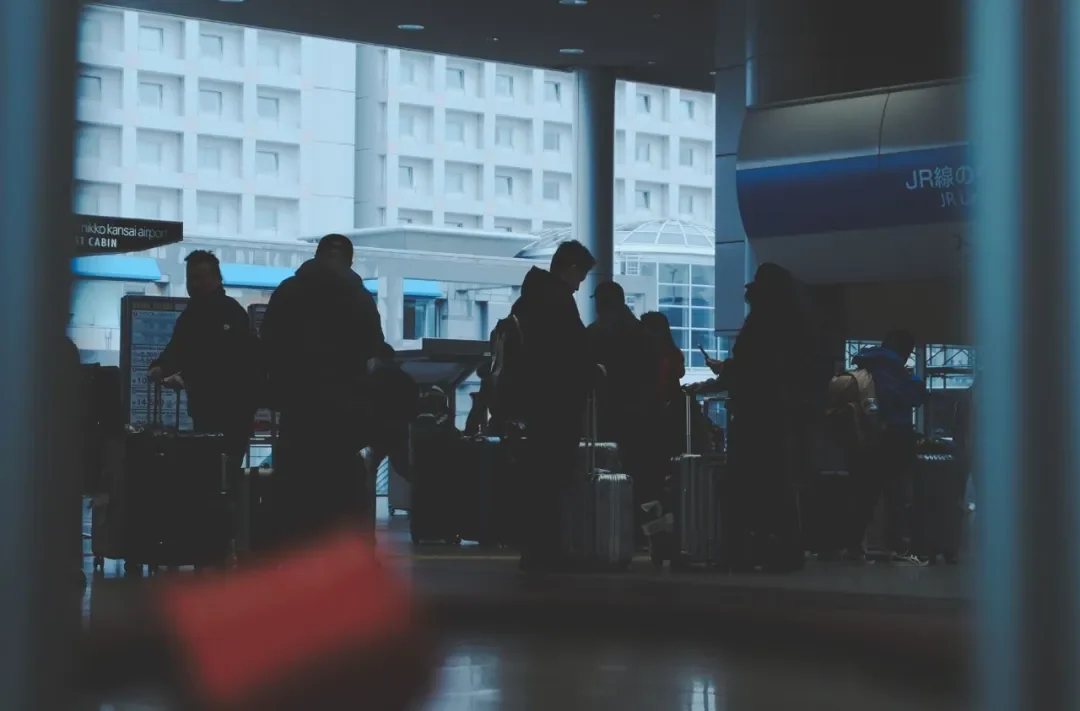
Kansai is about 40 minutes from central Osaka and 80 from Kyoto. Once the last trains have gone, taxis are effectively the only option, so build that into a late arrival.
4. Chubu (NGO) and Naha (OKA)
Nagoya and the Hokuriku: Chubu Centrair
Chubu Centrair International Airport sits on a man-made island south of Nagoya, smaller than Haneda, Narita and Kansai, and serves Nagoya, Chubu and the Hokuriku. Meitetsu is the only railway, alternating μ-Sky and limited expresses, so no transfer is needed.
- Meitetsu μ-Sky: 28 minutes to Nagoya Station, ¥1,250.
- Meitetsu limited express: 35 minutes to Nagoya Station, ¥890.
- Limousine bus: 30 minutes to Sakae, ¥1,500.
μ-Sky saves seven minutes for about 40% more; near Nagoya Station the limited express is enough, while Sakae is easier by bus. For a trip built on Nagoya, Toyama and Takayama, Chubu beats landing in Tokyo and continuing by Shinkansen.
Okinawa: Naha Airport
Naha Airport sits at the edge of Naha on Okinawa's main island — the most tropical of the five, with comparatively few international flights, mostly from Taiwan, Hong Kong and Korea.
- Yui Rail monorail: 12 minutes to Kencho-mae, ¥270.
- Bus: 20 minutes into Naha, ¥230.
It is the cheapest of the five to reach: a dozen minutes and a couple of hundred yen. But most Okinawa itineraries spread across the island, where a rental car is close to essential — the hire desks sit just outside arrivals. For the city and Shuri Castle, the monorail and buses are enough.
5. The arrival flow: Visit Japan Web, bags and customs
The steps are the same at all five airports; only the queues and the terminal layout change. Register immigration and customs details on Visit Japan Web before you fly and it generates two QR codes, used in order.
- Immigration: head for the immigration desks and show your Visit Japan Web QR (or a paper arrival card) with your passport.
- Baggage: collect your bags, checking the flight number against the carousel screen rather than waiting at the wrong belt.
- Customs: push your bags through customs and show the customs QR (or a paper declaration); open your case if you are asked to.
- Out: JR pass exchange counters, IC card machines and bus desks are usually on the same arrivals level.
Screenshot both QR codes in advance: there is no signal in the air and airport Wi-Fi needs connecting first. JR Pass exchanges exist at Narita, Haneda and Kansai; IC cards are sold on the arrivals level — Suica around Tokyo, ICOCA in Kansai. Queues track the arrival bank, so if a last train matters, sit forward and walk fast.
6. Red-eye flights and overnighting
Haneda runs 24 hours and takes most of the budget red-eyes; Narita's night flights are mostly low-cost carriers on T3. Landing after midnight without paying for a taxi means waiting for the first train or staying near the airport, where an airport hotel is often the cheaper night.
- Sleeping at the airport: Haneda and Narita both have overnight areas but no showers; bring a warm layer and neck pillow.
- Airport hotels: Toyoko Inn at Narita, the First Cabin capsule hotel inside Haneda — both walkable.
Choosing an airport is a balance between speed into town and the price of the ticket: Haneda is the most convenient and the dearest, Narita cheaper and further out. Add up the total time and cost to your hotel, and the answer often saves an hour or two and ¥5,000.
Related links
- On this site: Narita International Airport (NRT), Haneda Airport (HND), Kansai International Airport (KIX), Japan (JP)
- Wikipedia: Narita International Airport, Haneda Airport, Kansai International Airport, Chūbu Centrair International Airport, Naha Airport
- Baidu Baike: 成田国际机场, 东京羽田机场, 关西国际机场, 中部国际机场, 那霸机场
Picture credits: 乐意门. Fares and times come from operator publications in the first half of 2026 and are indicative; check the operators' and airport sites on the day you travel.
More articlesTravel notes
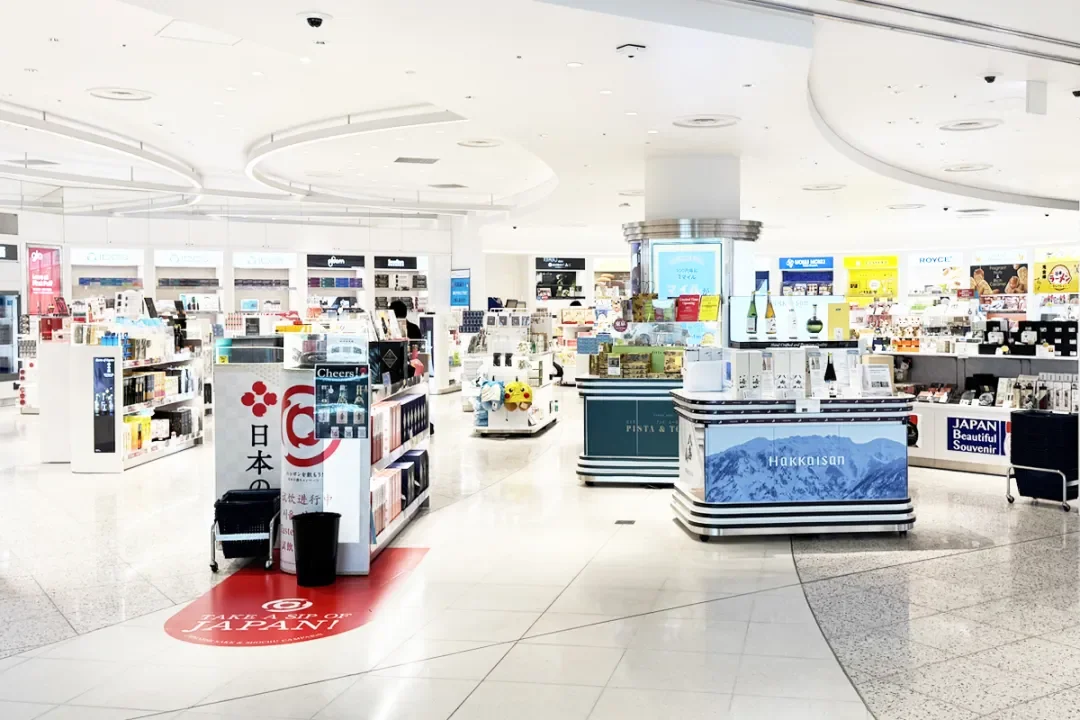
Duty-Free at Haneda Airport: T2 and T3 Shops, Brands and Transit Rules
A practical guide to duty-free shopping at Haneda Airport (HND): the T2 TIAT DUTY FREE SOUVENIR, the two T3 shops by gate 109, their hours and brands, ANA vouchers and online pre-order, plus duty-free versus tax-free, liquids on connections and what is worth buying at the airport rather than in town.5 min read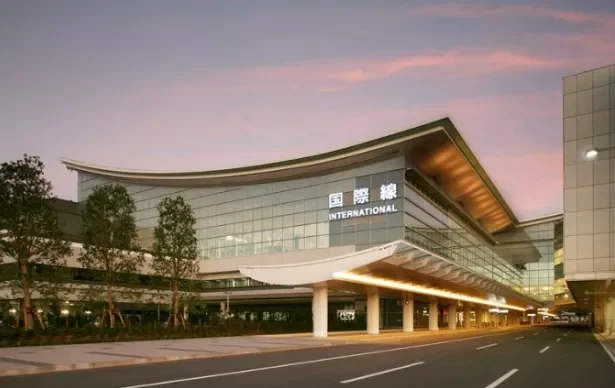
Getting from Haneda Airport into Tokyo: Monorail, Keikyu or Bus?
A practical guide to the Haneda Airport (HND) run into Tokyo: the Tokyo Monorail to Hamamatsucho, Keikyu trains to Shinagawa and through to Asakusa, airport buses to hotels and the wider Kanto region, taxis and late arrivals, with fares, transfer stations and a which-line-for-which-area table.6 min read