Melbourne Airport Named Best in Australia-Pacific for the Sixth Time, as Global Rank Slips to 21
- Melbourne Airport
- MEL
- Skytrax
- Australian airports
- terminal expansion
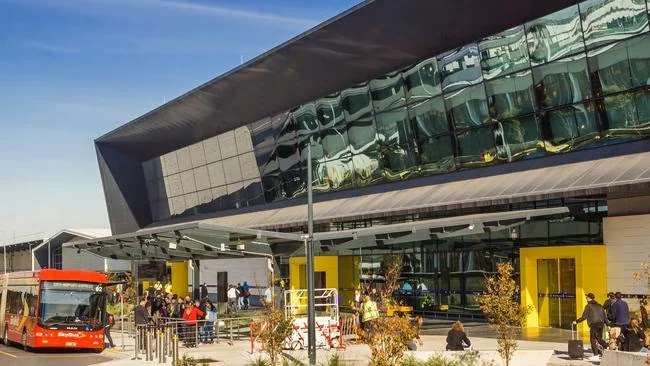
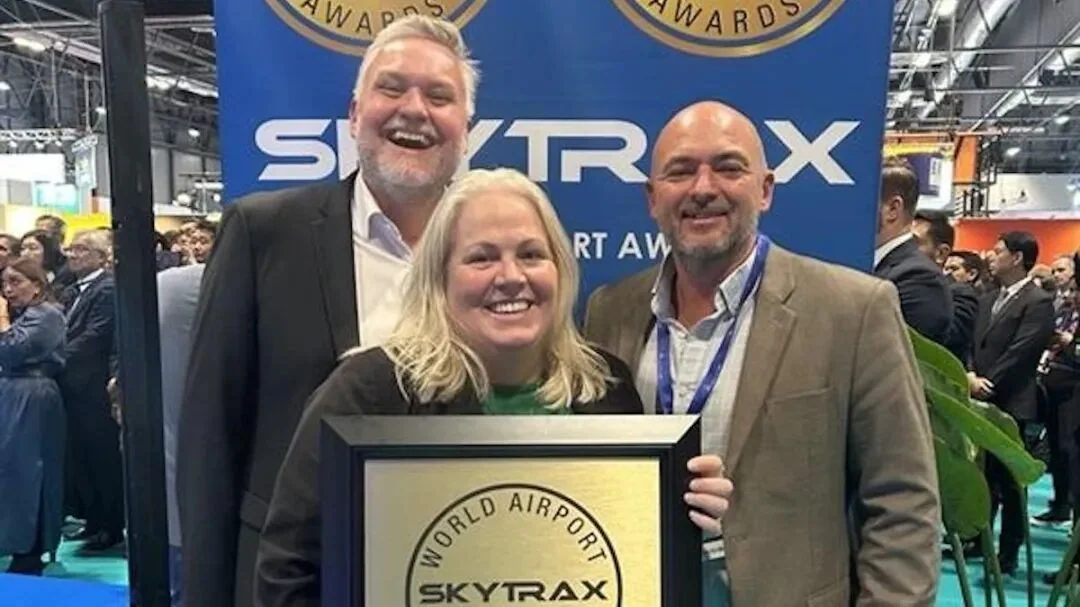
The Skytrax World Airport Awards 2026 were announced in London on 18 March, and Melbourne Airport (MEL) was once again named Best Airport in Australia-Pacific — the sixth time it has taken the regional title in the past seven years. For a southern-hemisphere hub whose international network depends on long-haul routes, the result says travellers still rate the overall experience.
The same list tells the other half of the story. Melbourne placed 21st globally, down five places from 16th last year. The gap between regional champion and global mid-table maps neatly onto two things the airport itself acknowledges: traffic is growing, and the infrastructure is starting to lag. This article looks at what the award measures, what has changed in Melbourne's route network, and how the A$4.5 billion international terminal expansion will reach passengers.
1. Sixth in seven years: first in the region, 21st in the world
The Skytrax ranking is built on passenger-satisfaction surveys covering 575 airports worldwide. There is no expert jury; scores come from travellers rating check-in, security, dining, shopping and staff, which is why movements in the table often say more than the trophy does.
Melbourne knows this title well. It has won it six times in seven years, the only interruption coming in 2022, when Brisbane Airport briefly took the regional crown. Winning it back this year suggests that among Australia's main hubs, travellers still rate Melbourne highest.
Globally, though, the airport is slipping: 21st, against 16th a year earlier. On the same list, Singapore Changi was named World's Best Airport for the second year running and the 14th time overall; Seoul Incheon was second and Tokyo Haneda third. Hong Kong International came fourth, London Heathrow 16th and London Gatwick 30th.
The Australian results diverged below the top: Brisbane 40th, Sydney 52nd, with Perth, Adelaide and Gold Coast all inside the global top 100. The gap within the region has not widened, but the distance to Asia's leading hubs remains — no Australian airport made the top ten.
2. The other end of the table: Changi's 14th, and Hamad's absence
One change at the top of this year's list is easy to miss. According to Australian media reports, last year's runner-up, Doha's Hamad International Airport, withdrew from the awards at the last moment because Middle East airspace around Qatar has been closed by the current conflict. The reports described it as a strong contender for the top prize.
That leaves the top of the table without a familiar name. Changi's 14th world title was still produced by the same passenger survey, and the regional crown does not change because one airport is missing — Melbourne's competition is Brisbane and Sydney, plus travellers whose expectations shift every year.
For anyone who follows these lists, the more useful reading is by group: the global top four are held by Singapore, South Korea, Japan and Hong Kong; the highest-ranked UK airport is Heathrow at 16th; the Australia-Pacific leader is Melbourne at 21st. Each group reflects a different set of transfer flows and route networks rather than a simple verdict of good or bad.
3. Record traffic and new airlines: rebuilding the international network
The award lands at a high point for Melbourne. In January the airport set a record for international passenger numbers, evidence that the post-pandemic recovery in overseas travel is largely complete.
Over the past six months the airport has added several international carriers: Delta Air Lines launched Los Angeles, Hong Kong Airlines launched Hong Kong, and Shenzhen Airlines launched Shenzhen. Indonesia AirAsia, Maldivian, Finnair and British Airways are due to follow with new routes.
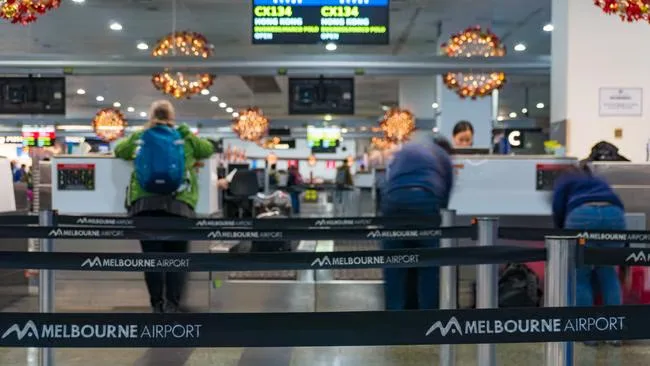
For travellers the immediate effect is more choice: a direct Los Angeles option across the Pacific, and direct links to Hong Kong and Shenzhen for southern China. More routes also mean a busier terminal — the international building was already tight on capacity, and the new traffic arrives in the same morning and evening waves that the expansion is meant to relieve.
4. Argus: pride, and an honest list of gaps
Chief executive Lorie Argus welcomed the award, saying it arrives at a pivotal moment as the airport moves into a major transformation. "We are very proud that travellers continue to rate us the best airport in the region, but we also want to do better," she said in a statement.
She was also blunt about the gaps in infrastructure and border technology: passengers still have to fill in paper arrival cards, and the amount of immigration processing equipment is almost unchanged from a decade ago. Those details sound minor, but they are the first things an international arrival meets — a paper card means finding somewhere to fill it in after landing, and fixed immigration capacity against rising traffic means longer queues at peak times.
Read alongside "best in the region", the two statements are not contradictory. Passengers score the overall experience; the operator knows the ceiling on that experience is set by hardware nobody photographs. The expansion and the equipment refresh are the response to that diagnosis.
5. A$4.5 billion: new kerbside zones from September, five new stands
To meet future demand, the airport has launched an A$4.5 billion expansion of its international terminal. From September, Terminals 1, 2 and 3 will open new pick-up and drop-off areas with more than double the current space, freeing ground for the terminal build. Once complete, the expansion adds a larger check-in hall and five new aircraft stands.
The sequence is worth noting: the kerbside and road system moves first, not the terminal itself. For passengers, drop-off, pick-up and walking distance usually shape the memory of an airport more than the floor polish inside; doubling that space is the part of the project travellers will feel first.
Set against the 2032 Brisbane Olympics, the timing makes more sense. Australia's airport system is being upgraded under deadline pressure, and while Melbourne is not a host city it will absorb part of the interstate and international traffic. Regional titles are a stage result; the real test is whether the building work finishes before the next wave of passengers arrives.
6. What it means for travellers
The near-term thing to watch is ground access. From September the kerbside zones at Terminals 1, 2 and 3 will change in stages, so check the airport's site before you travel to confirm which entrance and pick-up point applies, particularly if you are being dropped off by car or using a rideshare.
Then there is time. International traffic hit a record in January, and peak-season mornings at the international departures hall will be slower. If you are claiming a tax refund, checking oversized bags or carrying goods to declare, allow more margin than usual.
Finally, calibrate expectations. Best in the region is a passenger-satisfaction score, not a promise that every journey will be smooth. The paper arrival card and the immigration queue are still there, and the half hour after landing may test your patience more than the hour before boarding. Treat the award as one input when choosing an airport, and leave the time buffer in place.
Related links
- On this site: Sydney Airport (SYD), Adelaide Airport (ADL), Australia (AU)
- Wikipedia: Melbourne Airport
- Baidu Baike: Melbourne Airport
Image source: News.com.au and WeMelbourne. Award names and rankings are as published by Skytrax; check Melbourne Airport's own site for current kerbside arrangements and construction timelines.
More articlesTravel notes
Adelaide Airport Wins Two Skytrax Awards for Staff and Regional Service
Adelaide Airport has been named Best Airport Staff in Australia/Pacific for the first time and Best Regional Airport in Australia/Pacific for the fourth time in five years at the Skytrax World Airport Awards in London. Passenger numbers passed nine million in 2025, international traffic grew more than 20%, and a A$600 million expansion called Project Flight is under way.4 min read
Buying Whisky at Airport Duty-Free: A Global Shelf Guide by Flight Time
From Taoyuan and Changi to Heathrow and Sydney, airport duty-free is where whisky's travel-retail exclusives live: single casks, cask strength and no local duty. A region-by-region survey of what stood on the shelves around Chinese New Year 2020, plus how to choose by age, cask, bottle size and the liquid rules on connections.7 min read