Arriving at Paris CDG: Chinese Signage, EES Registration and a Border With No Stamp
- Paris CDG
- Paris arrival
- EES
- Schengen visa
- France travel
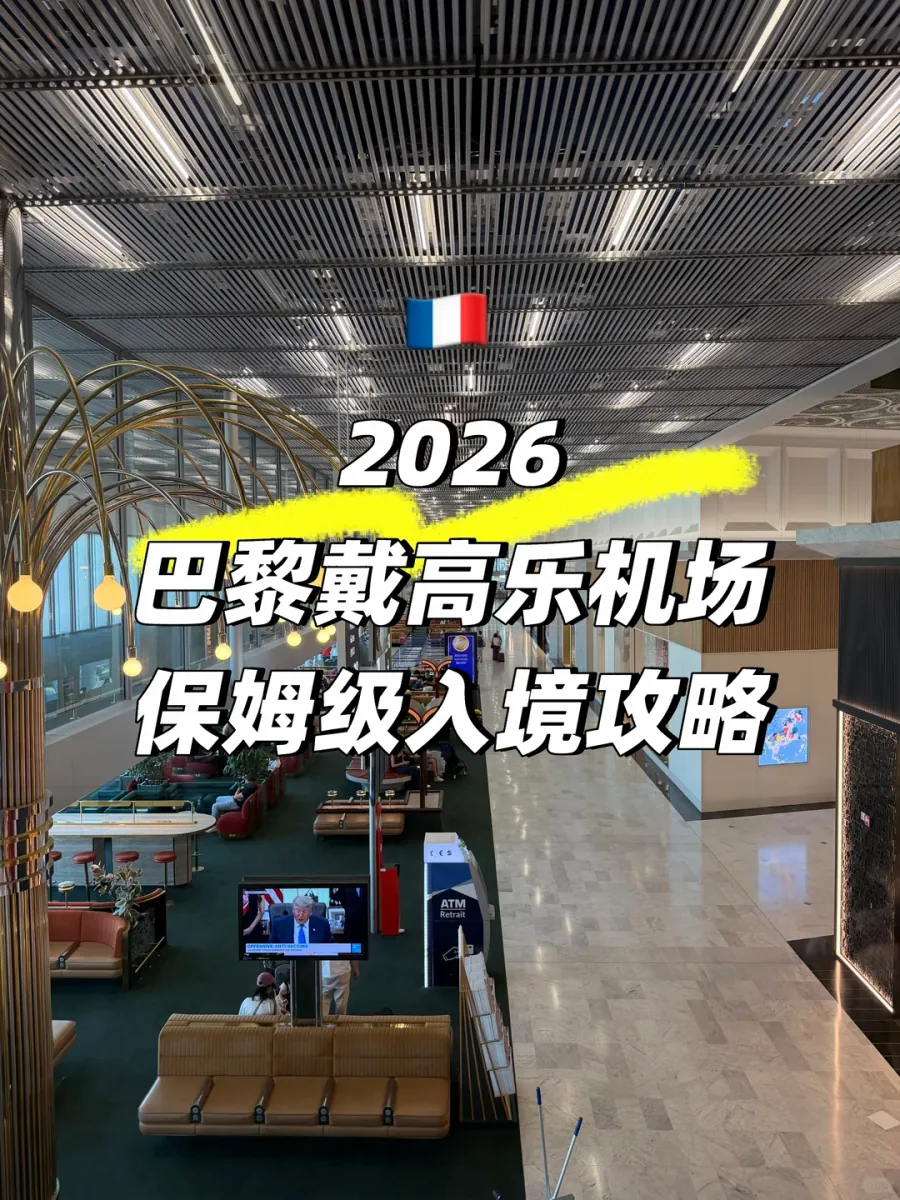
Flying into Paris from Dublin, the traveller had prepared for questions and a folder of documents. Almost nothing interrupted the walk from the aircraft door to the exit. What surprised was the procedure: no stamp in the passport, and no intention of adding one.
This records that arrival in order — the Chinese signs, the border check, why the stamp has gone, and what to do next. CDG is France's largest airport, with three terminals and seven sub-terminals inside T2, where transfer and exit are easy to confuse. One caveat: this is one traveller's experience, not an official procedure. The documents described were prepared and not inspected, which is not the same as not needed.
1. Chinese signage from the aircraft door
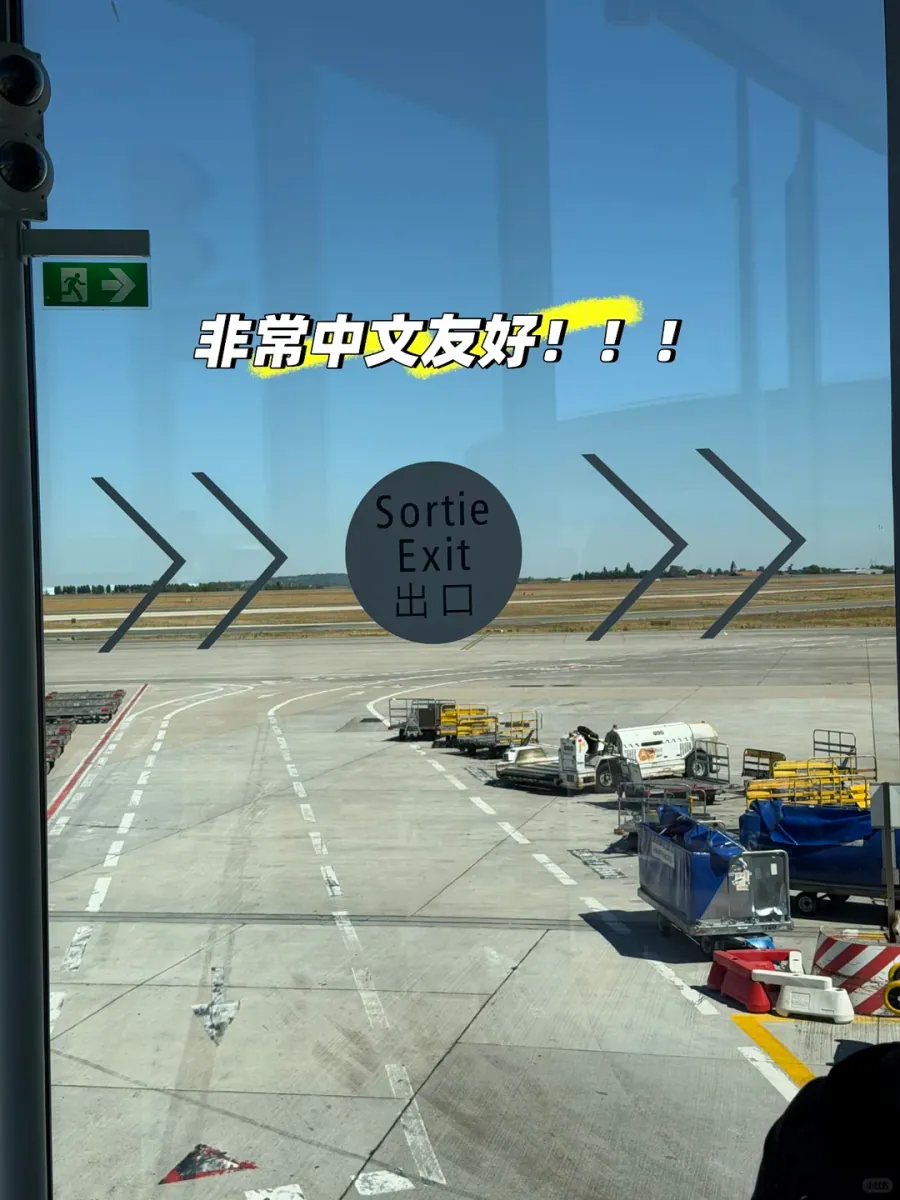
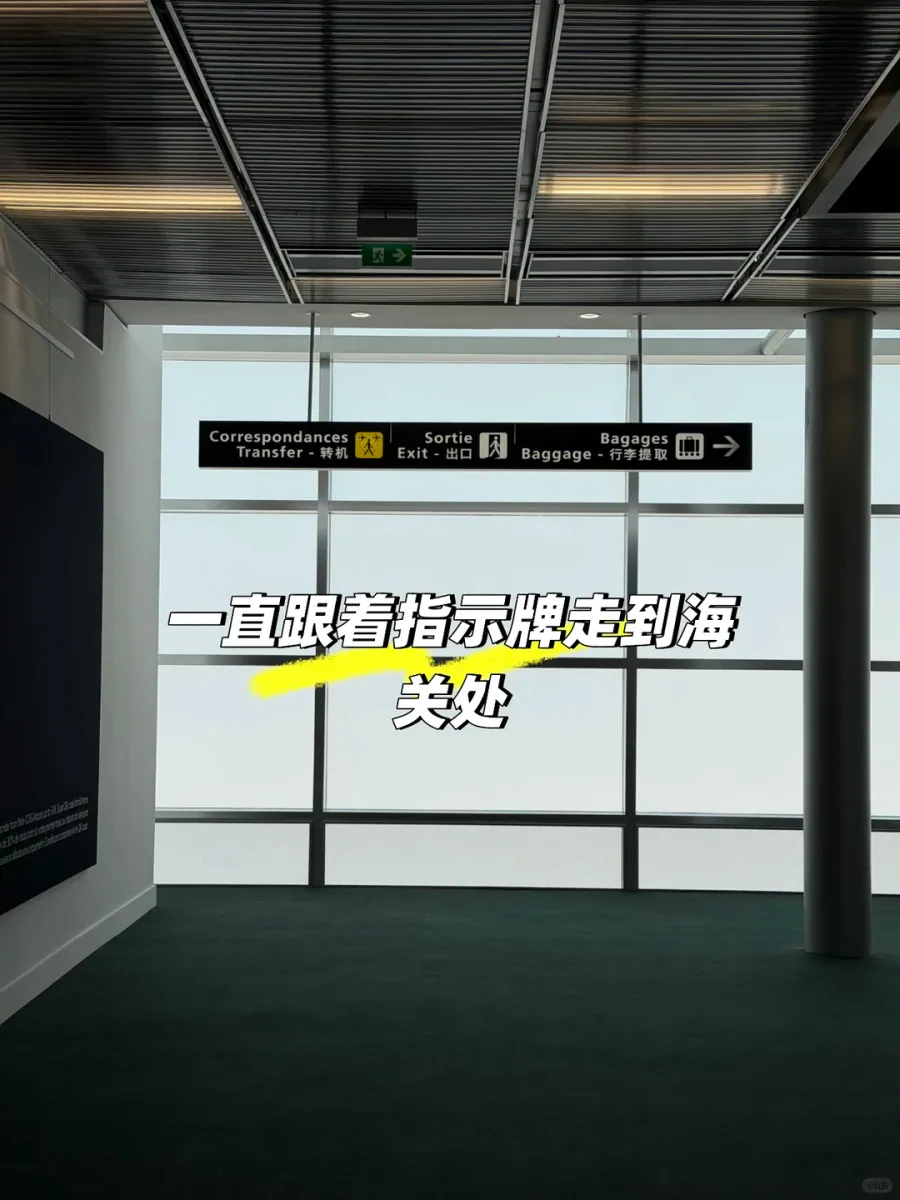
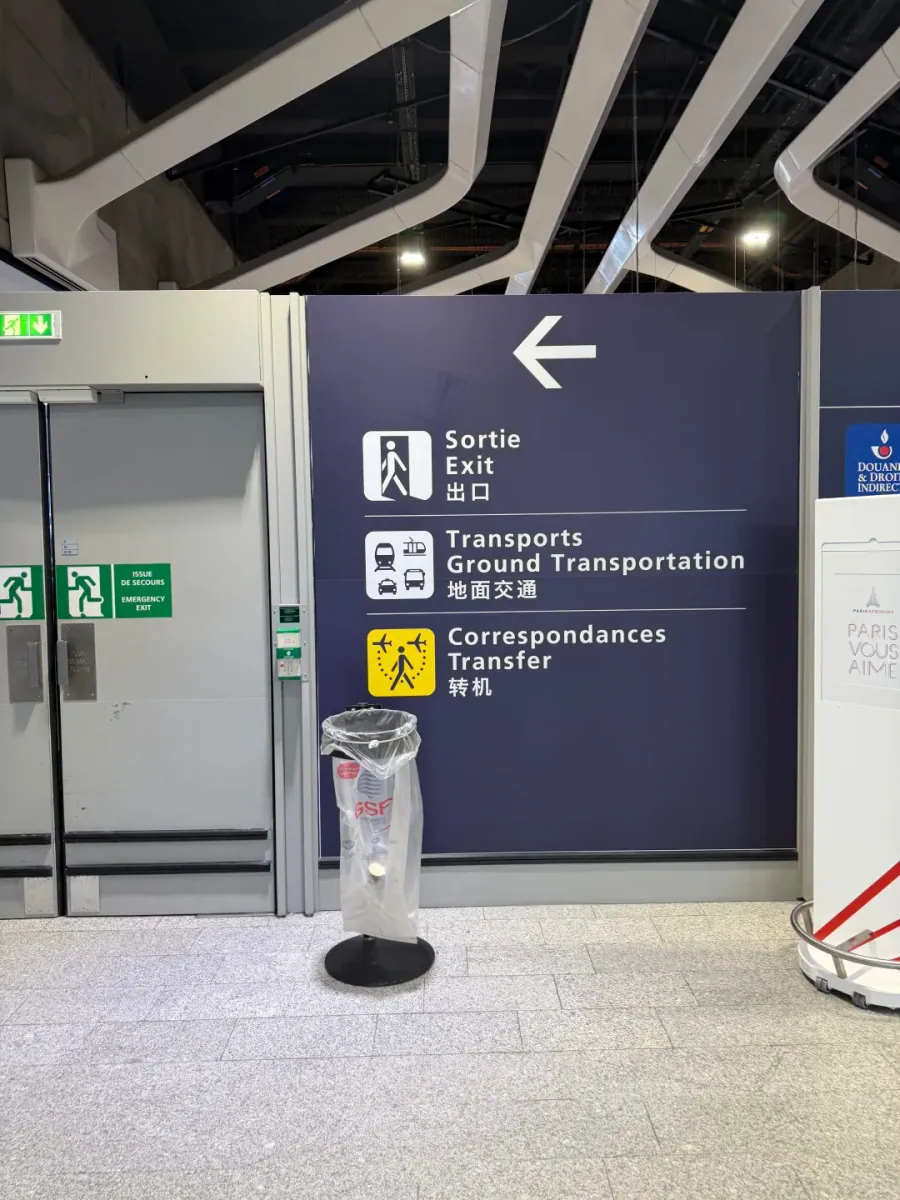
The first sign off the aircraft carries three languages: Correspondances / Transfer / 转机, Sortie / Exit / 出口, and Bagages / Baggage / 行李提取. Following 出口 is enough. Chinese here is a continuous trail from the jet bridge to the baggage hall; even the jet-bridge glass carries a round Sortie / Exit / 出口 sticker with four arrows.
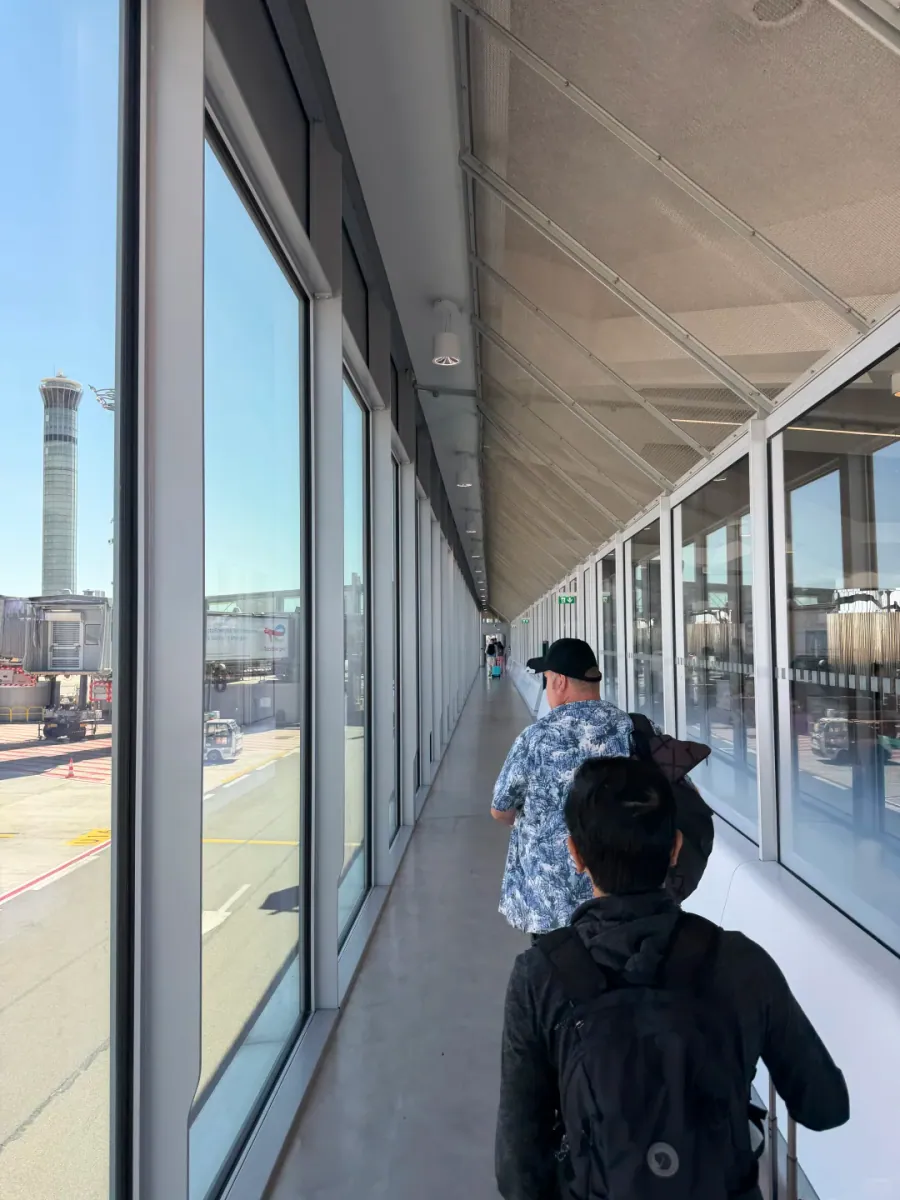
Beyond it is a long glass corridor — apron and airbridges on the left, terminal on the right — with no turnings, so follow the flow and the yellow signs rather than hunting for a lift or a metro logo.
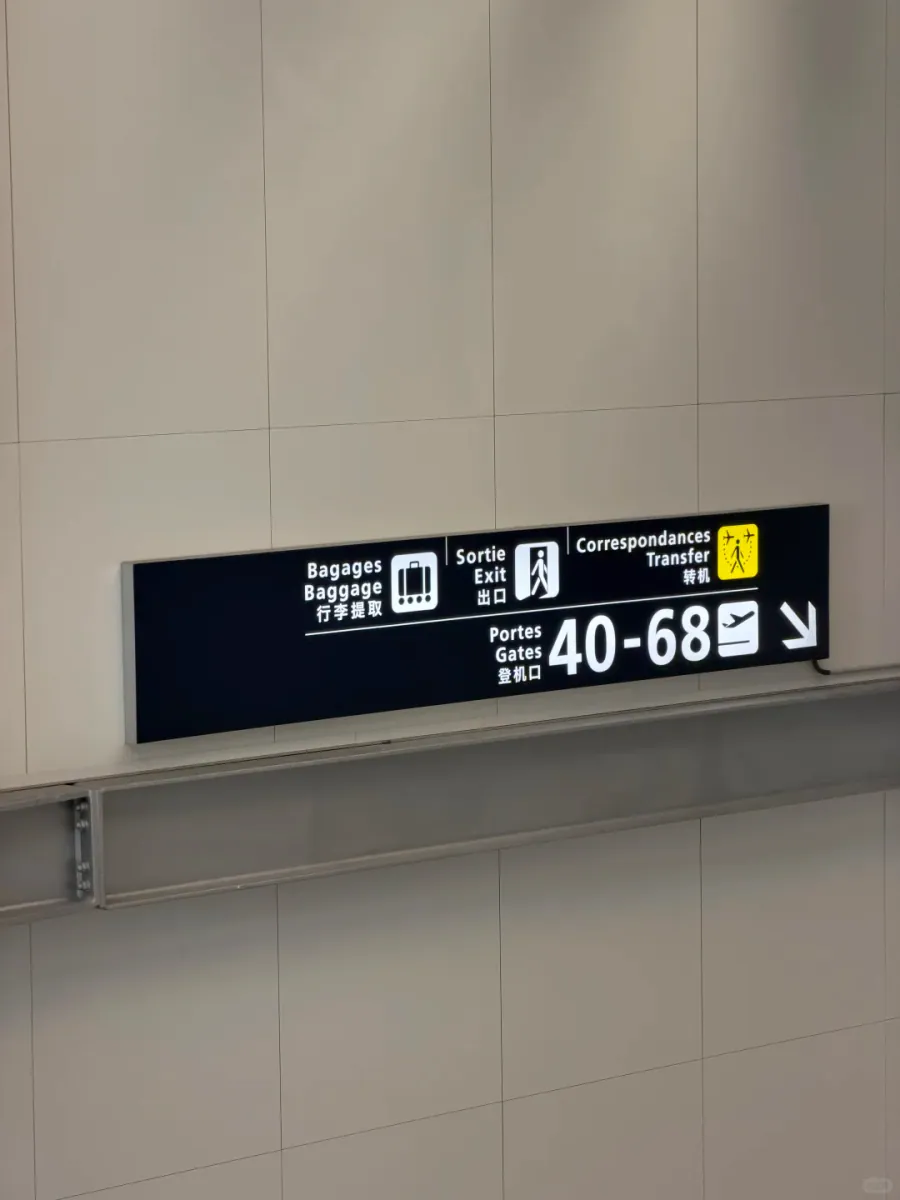
The first suspended sign is the real decision: transfer to one side, baggage ahead, exit past the baggage hall. Pictograms — two figures walking apart for transfers, a walking figure for the exit, a carousel shape for bags — work even without French.
Chinese also appears at gates, check-in, toilets and baggage belts, which helps most on a quiet late arrival. But signage in Chinese does not mean staff speak it; border and customs conversations are still mainly French and English. Keep the hotel address and itinerary on your phone and show the screen if needed.
2. Border control: passport, visa, lanes
The same three words repeat along the corridor. Ignore signs showing gate numbers such as "Portes 40-68" — that is the transfer route to the gates, not the arrivals channel. Look for "Contrôle des passeports", or simply follow the non-EU flow.
Triage is a glance at the passport. Staff at the head of the lanes look at the cover in your hand and wave you into a queue: EU and EEA passports one way, everything else the other. A Chinese passport with a Schengen visa goes to the non-EU lane; follow the staff rather than guessing which queue moves faster.
At the window, open the passport at the visa. In this case the officer said nothing, looked at the visa, indicated the fingerprint reader, and waved the traveller through. No questions about purpose, length of stay or accommodation, and no request for a booking or return ticket; the documents prepared in advance were never looked at.
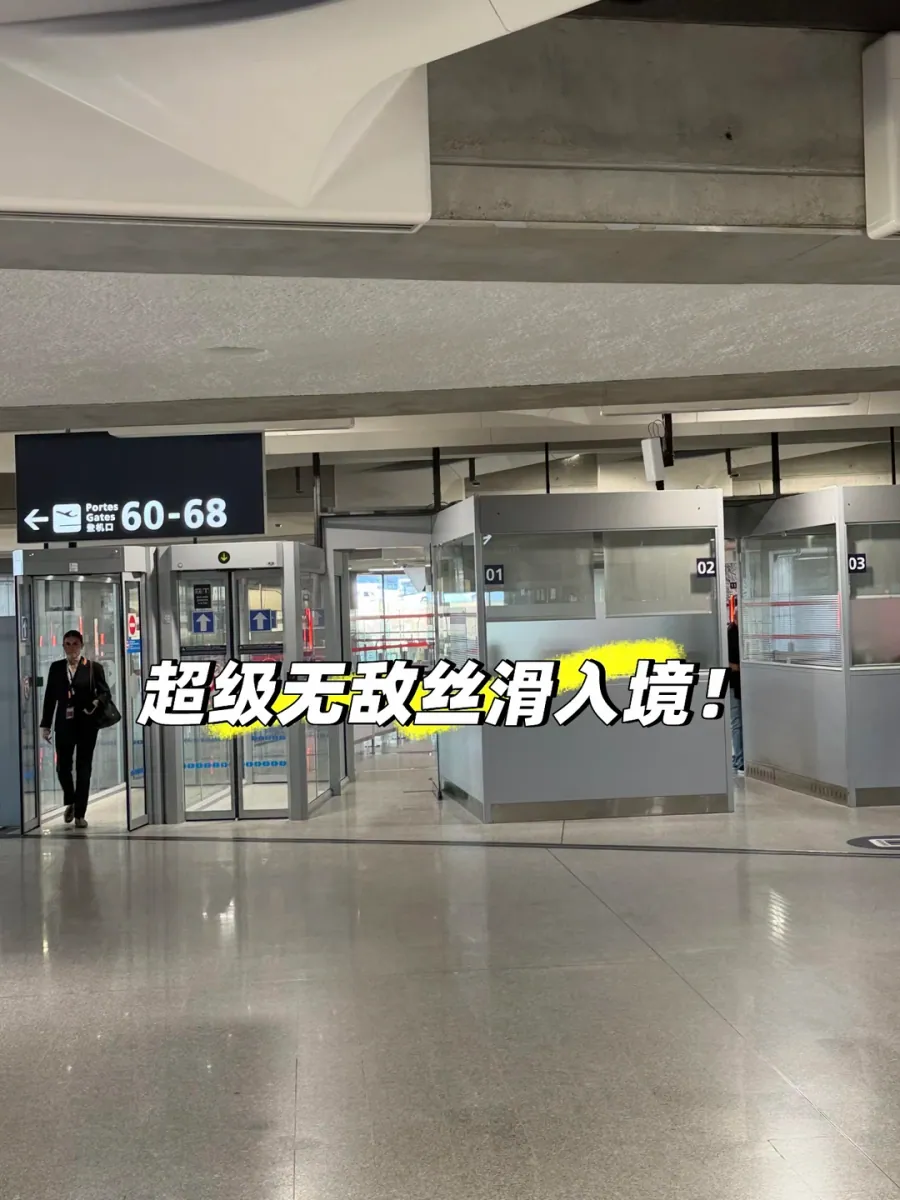
That is not a reason to travel empty-handed. Officers have discretion and checks are random; keep documents in the carry-on, with copies on the phone. Never check the passport into a hold bag.
Fingerprints are taken on the spot: the four fingers of one hand, then the other, then both thumbs, with diagrams and Chinese or English prompts on the reader. Wait for the screen to confirm, then take the passport back.
The questions, when they come, are plain: purpose, days, other countries, accommodation, departure date. Consistent answers are enough, and there is no script to learn.
3. After EES: why there is no stamp
The traveller asked for a stamp and got a flat "no". France has replaced the entry stamp with EES.
EES is the EU Entry/Exit System, phased in from October 2025. It replaces queue–stamp–wave-through with biometric registration at first entry: passport data, facial image and fingerprints, kept for a period, so later visits read the same record. No date stamp is needed.
A clean passport therefore does not mean no record, and asking for a stamp is usually refused because the system no longer does it. Old guides describing "queue, get stamped, answer a few questions" are out of date rather than evidence that you took a wrong turn.
For a residence permit, a renewal or a university registration, a stamp would not have helped anyway; boarding passes, e-tickets and hotel records are better proof, so keep them until the trip ends.
EES is Schengen-wide. You register wherever you first enter, and later entries elsewhere read the same record — which is why some travellers who connected through Germany or the Netherlands have already given fingerprints and find nothing to do in Paris.
4. The first thing after border control
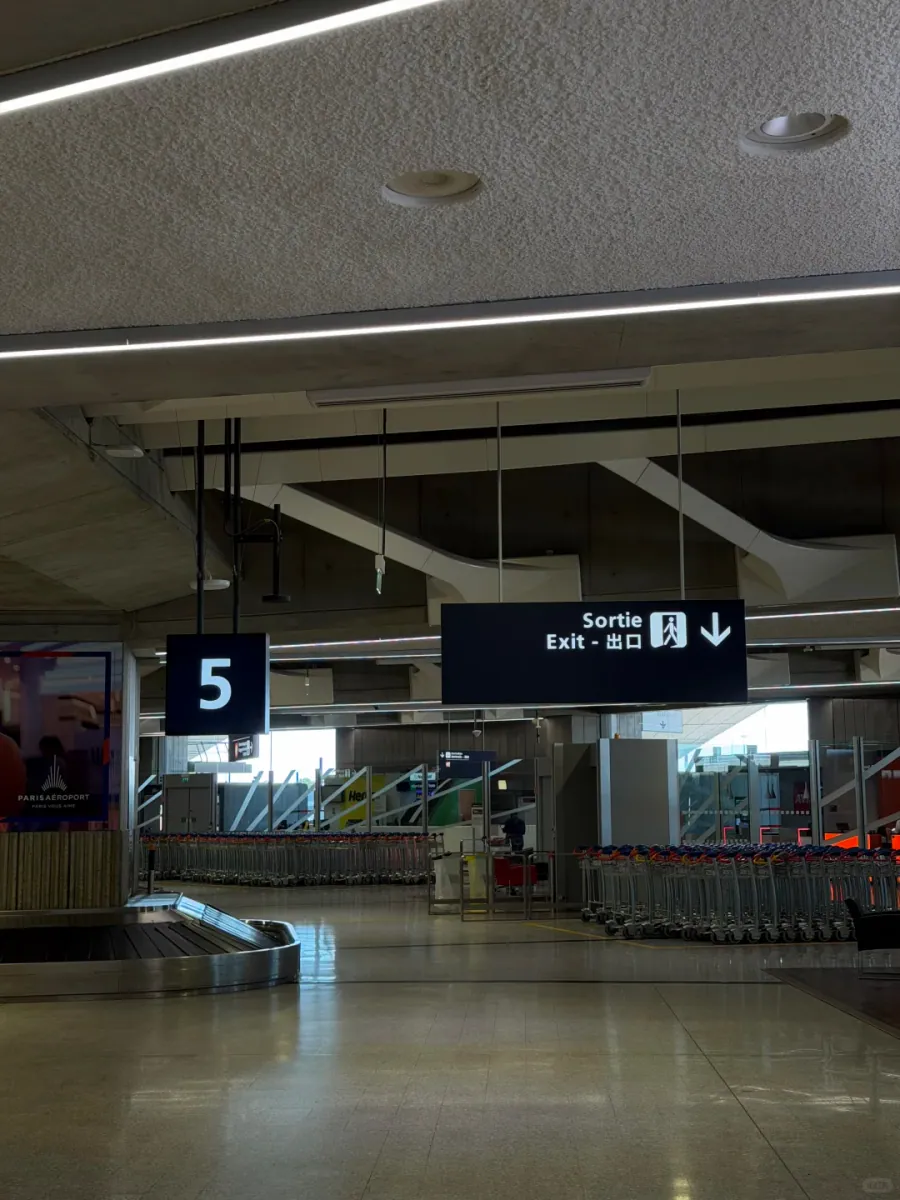
Past the border, the corridor empties into the baggage hall, where the signs switch to Bagages and Sortie and the belts carry their numbers. Collect the bags, push the trolley out, and pass the customs channel — green for nothing to declare, red otherwise. The traveller was not stopped, but checks are random.
Outside, transport comes first. Cards can be bought at the airport: the yellow "Tickets et Navigo" machines in the RER B station, or the SNCF counter. For several days in Paris, choose between singles, day passes and the weekly pass by counting days; the weekly pass is not sold at the airport and needs a staffed counter in the city.
The advice is to buy in the Île-de-France Mobilités app and add the ticket to Apple Wallet, saving the card fee and the queue — though registration usually needs a European phone number.
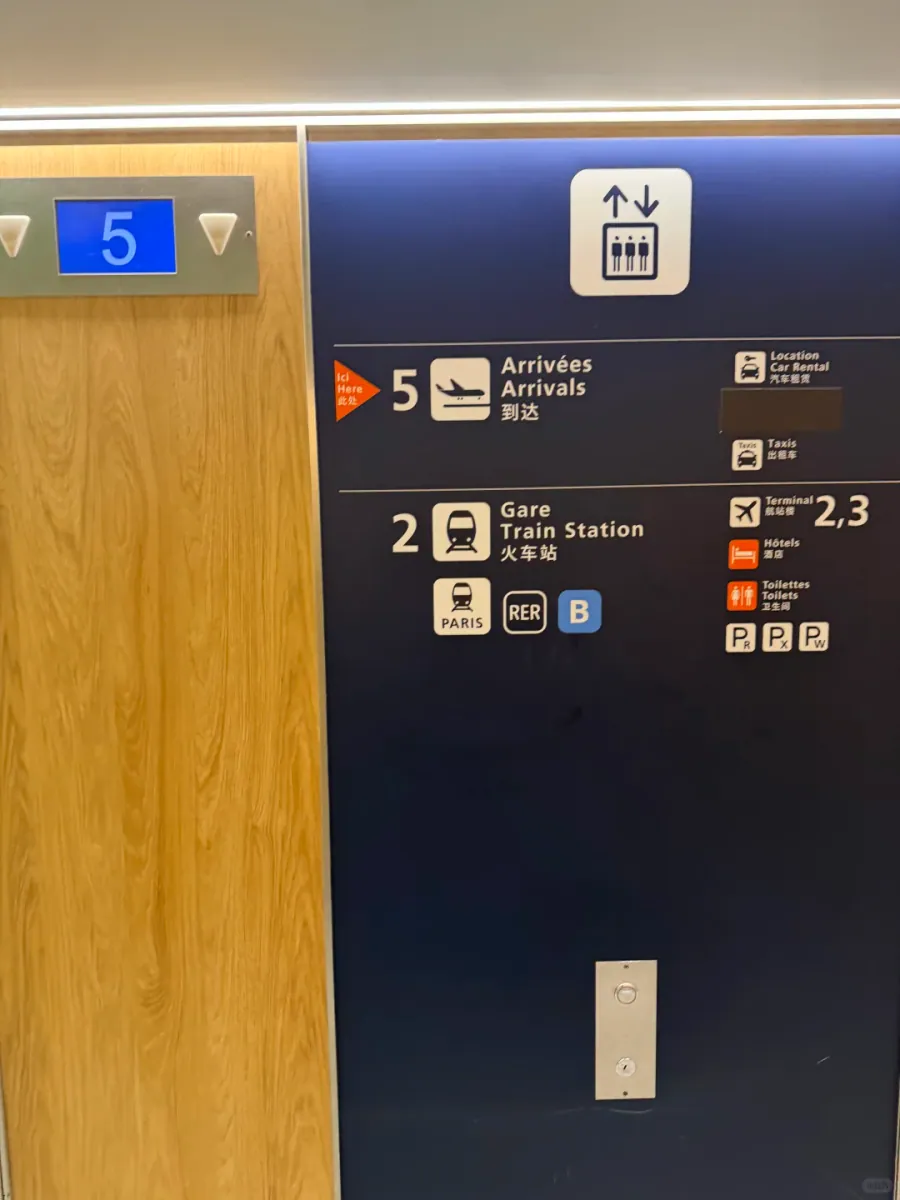
Watch the levels. At CDG the arrivals, station and departures levels are separate, and the board by the lifts puts "5 Arrivals", "2 Train Station" and the RER B mark together, with taxis, hotels, toilets and car parks alongside.
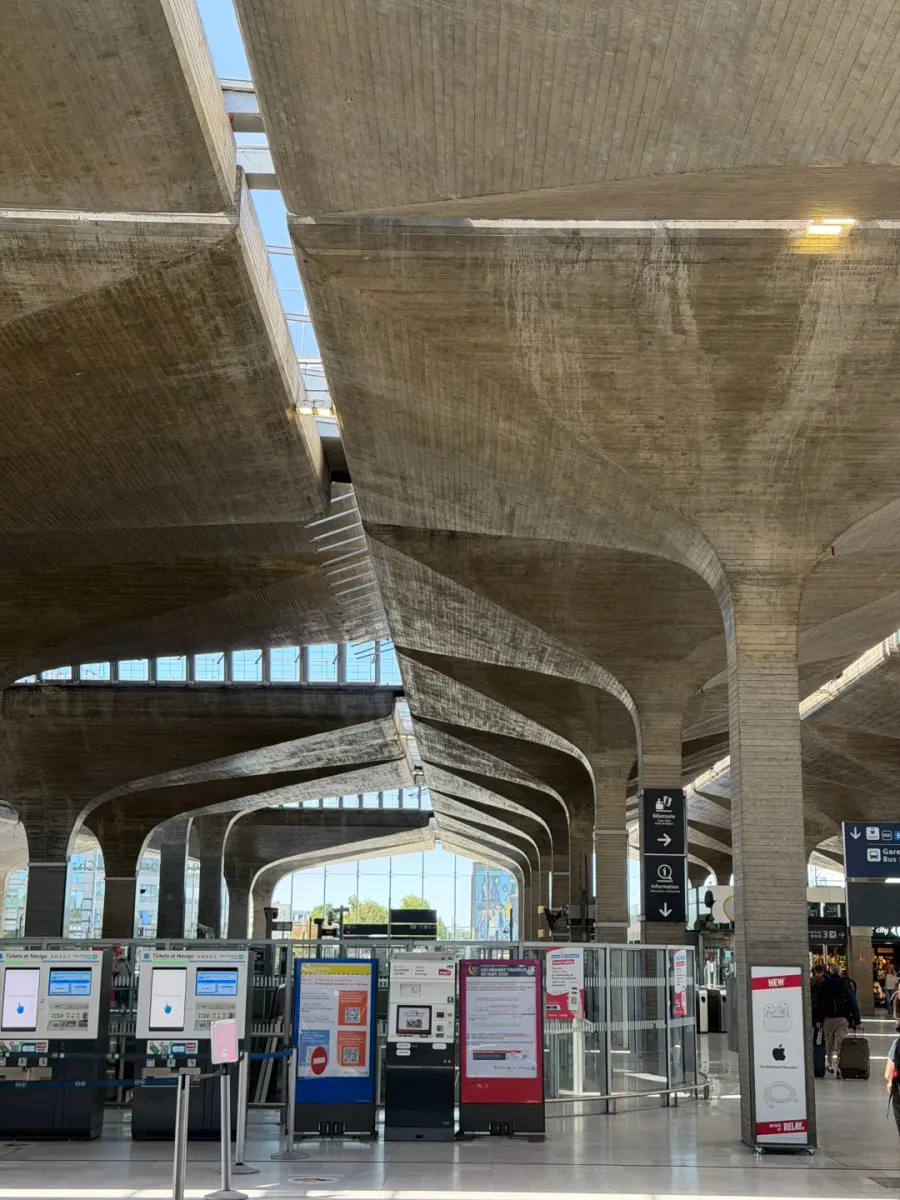
Under the concrete vaults of the station hall, "Tickets et Navigo" machines stand beside a Relay shop, so tickets, water and a plug adapter are all on one level. For Lyon, Bordeaux or Marseille, the high-speed station under T2 can save a trip into the city and back; check the station printed on the ticket before buying.
5. Details that mislead
The automatic gates are not for everyone. The self-service lanes are for EU passports, French residence permits and similar; a short-stay Chinese passport normally does not qualify. Do not follow the people ahead through a gate — take the staffed window the staff point you to.
No questions does not mean no checks. Keep passport, visa, accommodation, return ticket and insurance in one compartment of the carry-on so they come out in one movement.
The terminals are far apart: T1, T2 with sub-terminals A to G, and T3. Changing terminals means the free CDGVAL plus walking and waiting, so allow 30 minutes or more; with a tight connection, confirm at the gate whether the bags are through-checked.
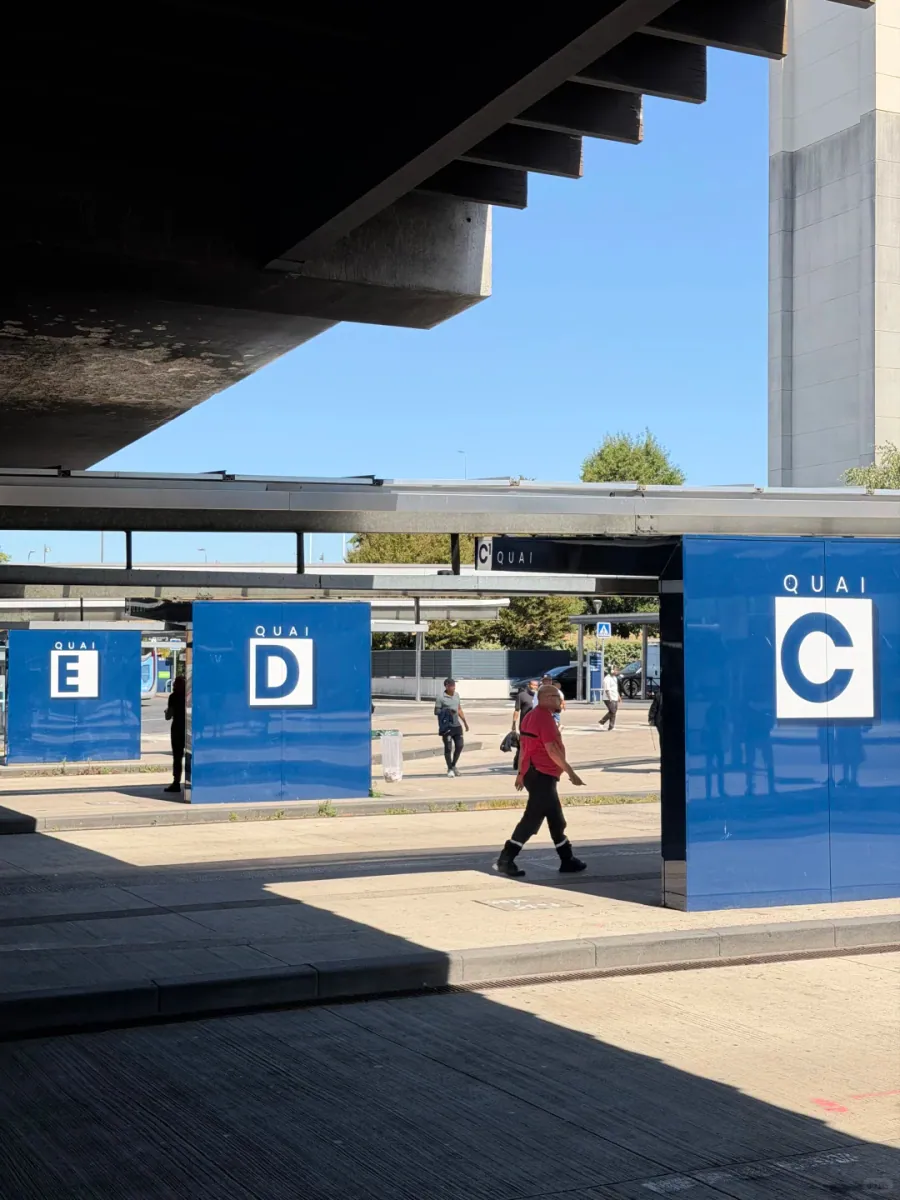
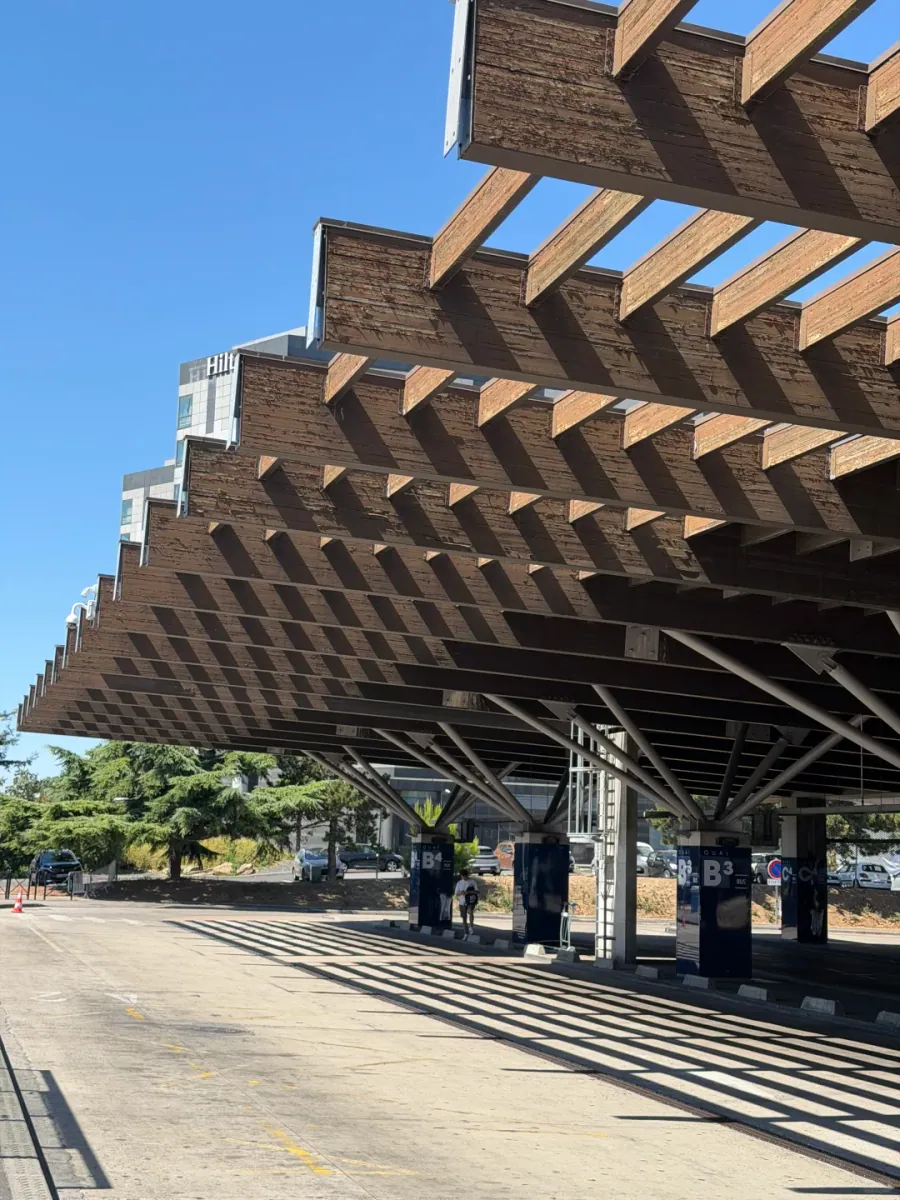
An exit needs a number. Exits are grouped by terminal and arrival level, so send the terminal, hall and exit number to whoever meets you. Outside are the coach and bus bays, with blue pillars marked QUAI C, D and E and numbered stands such as B3 under the timber canopy.
Prepare a little language too: signs are in Chinese, staff may not be. Open with "Bonjour", hand over the passport already open at the visa, and speak slowly. If a question is unclear, ask for it again or show the itinerary on your phone.
Arrival at CDG is three things: follow the Chinese signs to the border, hand over passport and visa where staff direct you, and sort out transport before leaving the airport. The traveller called it smooth, but the smoothness comes from a simplified procedure rather than luck. This was one traveller's run in August 2026; border practice, EES registration and transport fares can all change, so check French official and airport information on the day.
Related links
- On this site: Paris Charles de Gaulle Airport (CDG), France (FR)
- Wikipedia: Paris Charles de Gaulle Airport
- Baidu Baike: Paris Charles de Gaulle Airport
More articlesTravel notes
Frankfurt Airport Terminal 2 to Frankfurt Hauptbahnhof: SkyLine, then the S8 or S9
How to get from Frankfurt Airport Terminal 2 to Frankfurt Hauptbahnhof without stepping outside: the free SkyLine people mover to Terminal 1, the Bahnhof signs down to the regional station, and about fifteen minutes on the S8 or S9, plus tickets, frequencies and the five wrong turns.10 min read
Frankfurt Airport Terminal 3 to the Fernbahnhof: SkyLine, a long corridor, and 1 hour 40 minutes
A step-by-step account of reaching Frankfurt Airport long-distance station from Terminal 3: the free SkyLine to Terminal 1, the blue Fernbahnhof signs and the corridor to The Squaire, waiting for a platform number on the Abfahrt board, and how much time to allow.10 min read